Union Budget 2026-27 Proposes Rare Earth Corridors in Four States
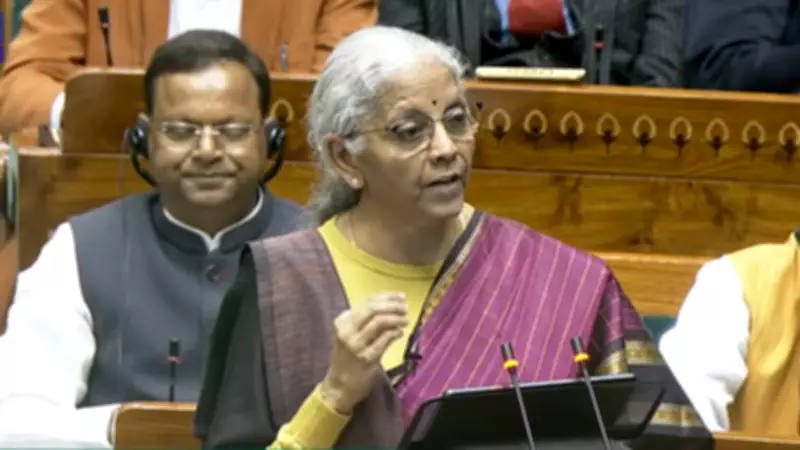
Union Finance Minister Nirmala Sitharaman, while presenting the Union Budget for 2026–27 in Parliament on Sunday, announced a strategic initiative to establish dedicated rare earth corridors in four mineral-rich states: Odisha, Andhra Pradesh, Tamil Nadu, and Kerala. This ambitious proposal aims to significantly reduce India's dependence on imports and strengthen domestic capabilities in critical minerals essential for modern industries.
Building Domestic Capacity in Critical Minerals
Presenting the Budget, Sitharaman emphasized that the Centre would support mineral-rich states to promote mining, processing, research, and manufacturing of rare earth elements and permanent magnets. These materials are crucial for several high-growth sectors, including clean energy, electronics, defence, and electric mobility. The finance minister stated, "The budget proposes raising the Electronics Components Manufacturing Scheme outlay from 22,999 crores to 40,000 crores, alongside new initiatives such as ISM 2.0, rare earth corridors, and dedicated chemical parks."
The proposal builds on the scheme for rare earth permanent magnets launched in November 2025. Sitharaman explained that the government now plans to scale up support for states to establish dedicated corridors focused on the full value chain—from extraction to advanced manufacturing. This comprehensive approach is designed to create a robust domestic ecosystem for rare earth production.

Reducing Import Dependence on Rare Earth Minerals
Rare earth minerals comprise a group of 17 elements that are indispensable for high-tech products such as electric vehicle motors, wind turbines, smartphones, semiconductors, defence systems, and precision electronics. Currently, India imports a significant share of its rare earth requirements, with China dominating global production and processing.
China controls a large portion of the world's rare earth refining capacity and has, in recent years, tightened export controls on critical minerals. This has raised serious concerns over potential supply disruptions for manufacturing economies like India. The proposed corridors are strategically aimed at building domestic capacity and insulating Indian industry from global supply shocks, ensuring greater self-reliance and security in strategic sectors.
Focus on Poll-Bound States with Coastal Mineral Reserves
Two of the four states identified for the proposed rare earth corridors—Tamil Nadu and Kerala—are scheduled to go to Assembly polls later this year. This timing brings added political attention to the Budget announcement. Both states possess significant coastal mineral reserves, including monazite-rich sands that contain rare earth elements, making them central to India's critical minerals strategy.
The proposed support for mining, processing, and research infrastructure is expected to be closely watched in the run-up to the elections. Stakeholders will monitor its potential impact on investment, employment generation, and industrial activity in these states, which could influence electoral dynamics.
Chemical Parks and Broader Manufacturing Push
As part of a broader industrial strategy, Finance Minister Sitharaman also announced a scheme to support states in setting up three dedicated chemical parks through a challenge-based route. These parks will follow a cluster-based, plug-and-play model to boost domestic chemical production and further cut import dependence.
The measures are aligned with the government's push to strengthen capital goods manufacturing and secure supply chains for strategic sectors. The Budget proposals come amid growing global competition for access to critical minerals, with countries worldwide accelerating efforts to localize production and processing of rare earths and other strategic materials.
This multi-pronged approach in the Union Budget 2026-27 underscores India's commitment to enhancing its industrial base, reducing vulnerabilities in global supply chains, and positioning itself as a competitive player in the global market for critical minerals and advanced manufacturing.