Two Madhya Pradesh Villages Remain Unaffected by National LPG Shortage Through Biogas Adoption
While a nationwide LPG supply crunch forces households across India, including Madhya Pradesh, to ration cooking gas, two villages in the state are experiencing no such hardship. Bandarkol village in Jabalpur district and Baghuwar village in neighboring Narsinghpur district have kept their kitchen stoves running smoothly by switching to biogas as an alternative fuel source.
Bandarkol Village: A Model of Biogas Success
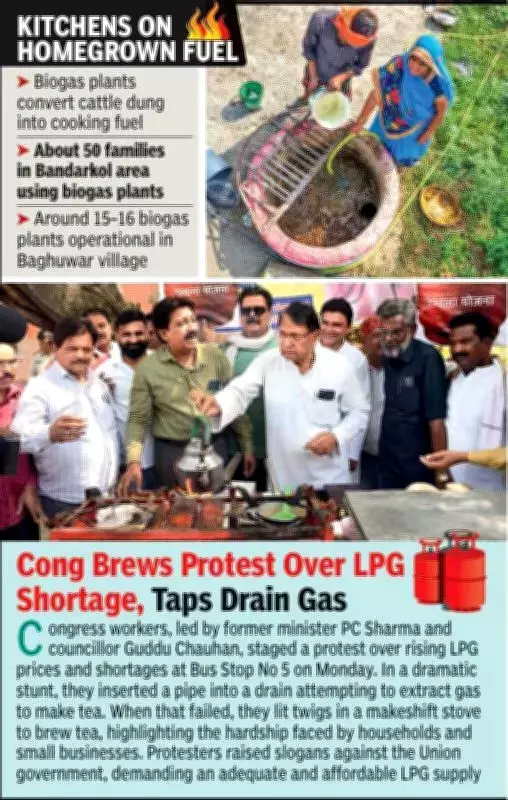
In Bandarkol, numerous households have installed small-scale biogas plants that efficiently convert cattle dung into usable cooking fuel. Residents report that the system demands only minimal daily effort—just a few minutes—yet provides continuous fuel throughout the day.
Hembai Patel, a 55-year-old villager, shared her experience: "Every morning, I simply add cow dung to the biogas plant. With three cows and four calves at home, we have ample dung without needing external sources. The gas produced is sufficient to cook meals, prepare tea, and make snacks for both my family and my sister-in-law's family, meeting all our cooking requirements."

Sunita Patel, another resident, highlighted the financial benefits: "We installed our biogas plant about five years ago and have never worried about fuel costs since. Although gas production sometimes dips during the rainy season or minor repairs are needed, we haven't spent any money on cooking fuel in all these years."
Krishna Patel emphasized the environmental advantages: "Biogas burns without producing smoke, making it better for the environment. Additionally, the slurry output from the plant serves as organic manure for our fields, giving us both gas and fertilizer."
According to Ghursen Lodhi, assistant secretary of the village panchayat, approximately 50 out of nearly 400 families in Bandarkol and the nearby Basa village have adopted biogas plants. He explained, "Around seven years ago, an NGO assisted in setting up three-cubic-meter biogas plants in many homes. Beneficiaries only had to cover labor charges, making it an accessible solution."
Baghuwar Village: Reducing Vulnerability to LPG Shortages
In Baghuwar village, known for its development initiatives in Narsinghpur district, biogas usage has significantly mitigated the impact of LPG shortages. Nitendra Chauhan, representing sarpanch Preity Chauhan, stated that biogas makes the village less susceptible to fuel crises.
Chauhan detailed the adoption rate: "There are about 15 to 16 operational biogas plants in our village, fueling kitchens for around 50 families. This means nearly 10% of households here rely on biogas as a primary cooking fuel source. Many families also use LPG alongside biogas, especially as cow dung availability has decreased. Some even source dung from other villagers, but this self-reliance definitely makes the LPG crisis less daunting."
Gajendra Chauhan, a resident whose family has used biogas for over a decade, noted its reliability: "The biogas system provides a dependable fallback during supply disruptions, ensuring we're never left without cooking fuel."
Broader Implications and Sustainability
The success of these villages underscores the potential of biogas as a sustainable and resilient energy solution in rural India. By leveraging locally available resources like cattle dung, communities can achieve energy independence, reduce environmental impact, and insulate themselves from external fuel market fluctuations.
This innovative approach not only addresses immediate fuel shortages but also promotes long-term ecological and economic benefits, setting a precedent for other regions facing similar challenges.