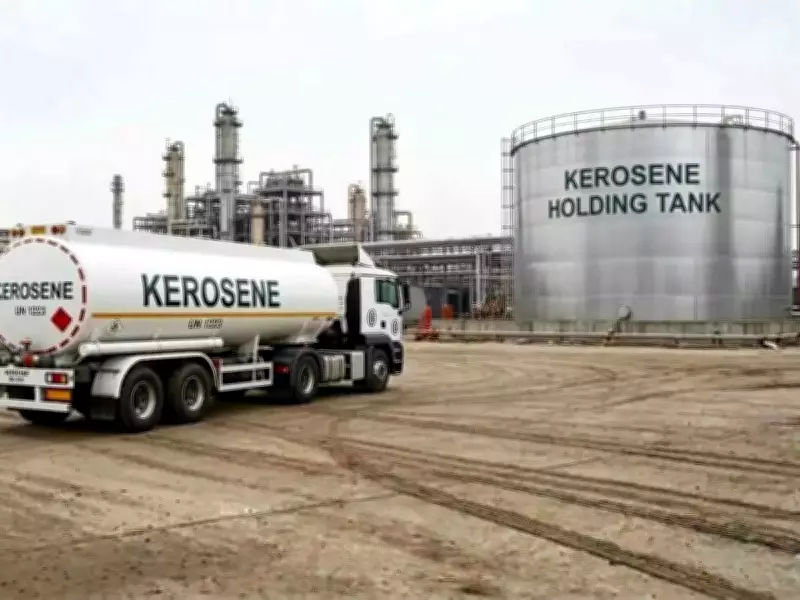
India Revives Kerosene Distribution Through Ration Shops Amid Fuel Shortages
In a significant policy shift, kerosene oil is making a comeback for household use across multiple states and union territories in India. The Centre has announced that this traditional fuel will be primarily distributed through ration shops, with some availability also planned at retail outlets operated by public sector oil marketing companies. This move aims to provide an alternative source for cooking and lighting purposes, addressing recent disruptions in fuel supplies.
Substantial Additional Allocation Announced
The government on Thursday allocated an additional 48,000 kilolitres of kerosene to states, supplementing the regular monthly quota of 1 lakh kilolitres. This substantial increase comes as authorities seek to mitigate the impact of reduced liquefied natural gas availability, which has been affected by ongoing conflicts in West Asia. Officials emphasized that kerosene represents a practical solution due to its relatively straightforward industrial-scale production through crude oil refining.
"When we examined alternative options in light of the reduced LNG availability resulting from the West Asian conflict, kerosene emerged as an easily accessible additional fuel source for cooking purposes," explained a government official. "Several coastal states have specifically requested increased allocations since fishing boats consume significant quantities of kerosene."

Distribution Framework and Safeguards
A petroleum ministry circular outlines that state and union territory governments will determine the specific scale and criteria for kerosene distribution. These authorities must ensure that kerosene allocated for the Public Distribution System is not diverted for adulterating petrol or diesel, nor used for any other unintended purposes. Rural households are expected to receive priority in the allocation process.
The circular further specifies that states and UTs may lift their entire kerosene allocation within 45 days, with no provisions for carrying forward any unlifted quantities. In districts previously declared kerosene-free, the food and civil supply departments have been instructed to identify one or two rural locations per district for PDS kerosene delivery and distribution.
Logistical Preparedness and Consumer Adaptation
With approximately five lakh ration shops operating across India, distribution infrastructure appears ready for implementation. "We are fully prepared to undertake this task and had submitted our request to the government earlier this week," stated Biswambhar Basu, National General Secretary of the All India Fair Price Shop Dealers' Association. "This initiative will provide much-needed relief to impoverished and rural populations. Oil marketing companies will supply kerosene to states, which will then deliver it to ration shops for sale. Typically, distribution will involve approximately half a litre per person monthly."
This revival presents practical challenges for consumers who have largely abandoned kerosene over the past decade. Many households will need to retrieve old kerosene stoves from storage or search for new ones. Similarly, numerous eateries that transitioned from coal-fired tandoors to gas-based ovens now face the prospect of reverting to traditional fuels and repairing their tandoor equipment.
Broader Context of Fuel Supply Disruptions
The kerosene allocation increase occurs against a backdrop of regional instability affecting global energy markets. Recent developments include Saudi Arabia intercepting drones targeting the Shaybah oil field and Israeli strikes on Hezbollah positions in Beirut. Iran has issued warnings to major US technology firms, while simultaneously providing safe passage assurances for Indian-flagged vessels through the Strait of Hormuz, even as restrictions tighten for American, European, and Israeli shipping.

This comprehensive approach to kerosene distribution demonstrates the government's strategy to maintain essential fuel access for vulnerable populations while navigating complex international energy dynamics. The program's success will depend on efficient implementation at state levels and careful monitoring to prevent diversion, ensuring that this revived fuel source reaches those most in need during challenging times.