Kerala proceeds with MGNREGS transition despite opposition
Kerala is moving ahead with the transition from the Mahatma Gandhi National Rural Employment Guarantee Scheme (MGNREGS) to the Viability Gap-Based Gram Rojgar Mission (VB-G RAM G), even as objections have been raised by various quarters. The change introduces a 60:40 cost-sharing ratio between the Centre and the state government, significantly increasing Kerala's financial burden.
State's contribution to rise sharply
Under the new funding model, Kerala's annual contribution is projected to increase from Rs 250 crore to Rs 2,090.96 crore. This steep hike has sparked concerns among state officials and political leaders, who argue that the additional expenditure may strain the state's finances. However, the government has decided to proceed with the implementation, citing the need for better targeting of rural employment benefits.
Details of the new scheme
VB-G RAM G aims to replace the existing MGNREGS framework with a more performance-linked system. The scheme focuses on viability gap funding, ensuring that projects are completed with higher efficiency and accountability. The Centre has argued that the 60:40 split is necessary to share costs more equitably, but Kerala contends that it places an undue burden on the state.

Objections and political reactions
Opposition parties and trade unions have criticized the move, alleging that it undermines the original objective of MGNREGS, which was designed as a demand-driven employment guarantee. According to a state government official, "The increased contribution will force us to cut other welfare programs or raise additional resources, which may not be feasible." Despite these objections, the state government has confirmed that the transition will proceed as scheduled.
Impact on rural employment
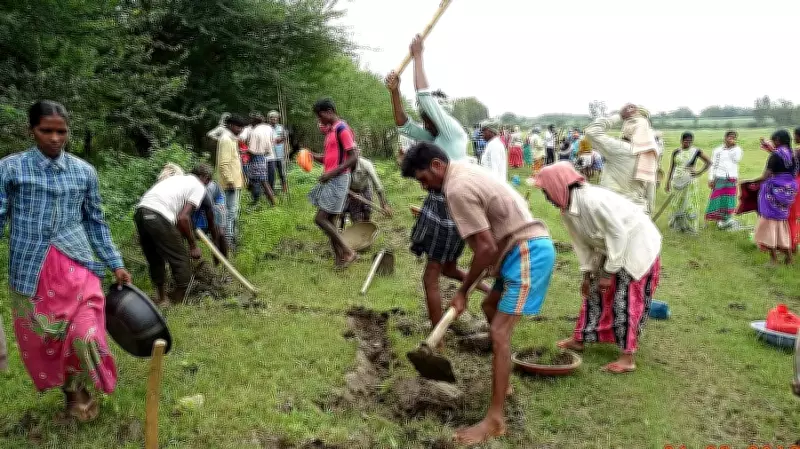
The shift is expected to affect over 20 lakh workers currently enrolled in MGNREGS in Kerala. Under the new scheme, wage rates and project types may be altered to align with viability criteria. The state has assured that existing workers will not lose their benefits, but future allocations will depend on project performance. The Centre has also promised technical support for the transition.
Financial implications for Kerala
With the state's share rising eightfold, Kerala will need to allocate additional funds in its budget. The state finance department is exploring options such as reallocating funds from other schemes or increasing borrowing. Critics warn that this could lead to a reduction in the number of workdays provided or a slowdown in project implementation.
Way forward
The Kerala government has set a timeline for the rollout, with pilot projects expected to begin in select districts by the end of 2026. Officials are working on guidelines to ensure a smooth transition while addressing concerns raised by stakeholders. The success of VB-G RAM G will depend on effective monitoring and the state's ability to manage the increased financial load.