The Election Commission of India (EC) has commenced a Special Summary Revision (SSR) of electoral rolls across five states, a key exercise to ensure accurate and updated voter lists. The revision was announced on June 30, 2026, and will cover the states of Assam, Kerala, Tamil Nadu, West Bengal, and Karnataka, according to an official statement.
What is Special Summary Revision?
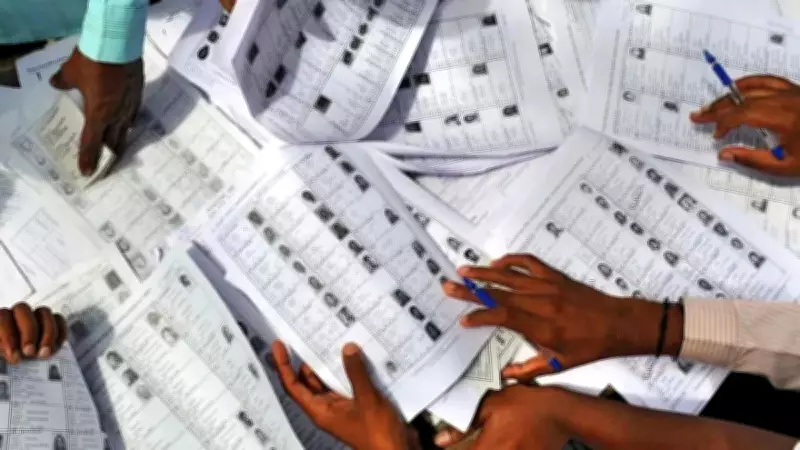
The SSR is a periodic exercise mandated by the Representation of the People Act, 1950, to add, delete, or correct entries in electoral rolls. It involves door-to-door verification by Booth Level Officers (BLOs) and allows eligible citizens to register as new voters or update their details. The EC has set a deadline for claims and objections, with the final rolls to be published after the process concludes.
In this revision, the EC has emphasized the inclusion of young voters who have turned 18 as of January 1, 2026, as well as the removal of duplicate or deceased electors. The Commission has directed all state chief electoral officers to ensure the process is completed transparently and efficiently.

Key Dates and Process
The EC has released a schedule for the SSR. The draft electoral rolls were published on June 30, 2026, marking the start of the revision period. Eligible citizens can file claims and objections until July 31, 2026. The final electoral rolls will be published on August 15, 2026, after the disposal of all claims.
Citizens can check their names in the draft rolls online via the EC's voter portal or by visiting their local polling stations. Forms for registration (Form 6), deletion (Form 7), and correction (Form 8) are available at BLOs and online. The EC has also launched a mobile app for easier access.
Why These Five States?
The selection of Assam, Kerala, Tamil Nadu, West Bengal, and Karnataka is strategic. These states are likely to face elections in the coming year, either for state assemblies or local bodies. For instance, Kerala and Tamil Nadu are due for local body elections, while West Bengal and Assam have upcoming by-elections. Karnataka is also scheduled for panchayat polls. The EC aims to clean up the rolls to prevent electoral malpractices like bogus voting.
According to EC officials, these states have shown significant demographic changes, including internal migration and urbanization, necessitating a thorough revision. The Commission has also noted complaints about duplicate entries and missing names in previous elections, which the SSR seeks to address.
Impact on Voters
The revision is expected to benefit millions of voters. In Assam alone, over 2 lakh new voters are anticipated to be added, as per state election office estimates. Similarly, West Bengal expects to enroll around 3 lakh young voters. The EC has urged all eligible citizens to participate actively. “This is an opportunity for every citizen to ensure their voice is heard in the democratic process,” said a senior EC official.
The Commission has also warned against fraudulent claims and has instructed BLOs to verify documents thoroughly. Special camps will be organized in urban areas and for marginalized communities to facilitate registration.
Challenges and Monitoring
The EC faces challenges such as reaching remote areas, especially in Assam’s flood-prone regions and Kerala’s hilly terrains. However, the Commission has deployed additional staff and is using technology like GPS tracking to monitor BLO movements. The EC has also set up a toll-free helpline (1950) for queries.
Political parties have been asked to appoint representatives to oversee the process and raise objections if needed. The EC has assured that all claims will be addressed within the stipulated time frame.
The SSR is a crucial step toward strengthening India’s electoral system. With the next general elections approaching, the EC is leaving no stone unturned to ensure error-free voter lists. The final rolls will be a testament to the Commission’s commitment to free and fair elections.