Kerala Government Greenlights Ambitious 538km Regional Rapid Transit System
The Kerala state government has taken a significant stride in transforming its transportation landscape by granting in-principle approval for the proposed 538-kilometer Thiruvananthapuram-Kasaragod Regional Rapid Transit System (RRTS). This landmark decision, formalized through an order issued by the transport department, not only sets the stage for enhanced intra-state connectivity but also ambitiously expands the project's future scope to forge crucial links with neighboring regions.
Phased Implementation and Massive Investment
The colossal infrastructure undertaking is slated for completion over a 12-year period, executed in meticulously planned phases to manage logistical and financial complexities. The estimated total cost for this transformative network is projected at a staggering ₹1,92,780 crore. Officials emphasize that this figure is preliminary, with the final cost to be determined only upon completion of the Detailed Project Report (DPR), which will finalize alignments, technical specifications, signaling systems, and transit-oriented development models.
Strategic Four-Phase Rollout Plan
The government has outlined a clear, structured four-phase implementation strategy to bring this vision to reality:

- Phase 1: Travancore Line (2027-2033) - This initial phase will focus on constructing the 284-kilometer stretch from Thiruvananthapuram to Thrissur. A key feature will be the integration with the existing Kochi Metro and the envisioned Thiruvananthapuram Metro, creating early multimodal connectivity.
- Phase 2: Malabar Line - This stage will extend the network from Thrissur to Kozhikode, incorporating the planned Kozhikode Metro into the system.
- Phase 3: Kannur Line - The third phase will further connect Kozhikode to Kannur, steadily expanding the network's reach.
- Phase 4: Kasaragod Line - The final leg will complete the core corridor by linking Kannur to Kasaragod.
Future Expansion: A Vision for Interstate Connectivity
A particularly unique and forward-looking feature of the approved RRTS proposal is its inherent design for future expansion beyond Kerala's borders. The system is envisioned to eventually connect to:
- Coimbatore via Palakkad
- Kanyakumari from Thiruvananthapuram
- Mangaluru via Kasaragod
This expansion is planned through interstate cooperation, promising to significantly bolster regional economic integration and travel efficiency across South India.
Financing Model and Environmental Considerations
The project intends to adopt a financing model similar to the Delhi RRTS, which involves 20% funding from the state government, 20% from the central government, and 60% through long-term loans from international financial institutions. This phased approach is strategically designed to alleviate the immediate financial burden on the state exchequer.
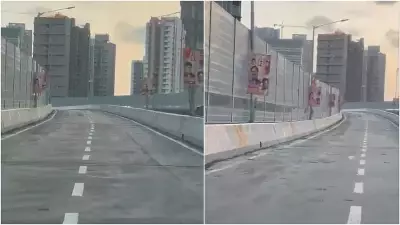
In a move prioritizing environmental sustainability and public acceptance, the order mandates the adoption of an elevated viaduct model for the majority of the alignment, instead of ground-level embankments. This decision is expected to:
- Drastically reduce land acquisition requirements
- Prevent obstruction of natural water flow
- Mitigate public opposition encountered in previous projects
The construction will predominantly utilize pillars, with embankments and tunnels employed only where absolutely necessary.
Justification and Broader Vision
The government order justifies this massive investment by recognizing a high-speed transit system as a vital component of Kerala's development vision. Given the state's unique geography and high population density, a time-bound, eco-friendly, high-speed rail network is deemed essential for catalyzing socio-economic growth. The core objectives are to drastically reduce travel times, strengthen regional connectivity, and expand employment and educational opportunities for citizens.

This RRTS project emerges as a strategic alternative to the previously proposed SilverLine high-speed rail project, which faced hurdles due to technical objections from Indian Railways. The approved RRTS proposal is now set to be formally presented to the central government for further endorsement and support, marking a new chapter in Kerala's infrastructure development.