Union Cabinet Approves Free Registration of Residential Plots for Sardar Sarovar Project Displaced Families
In a significant move aimed at providing relief and support to families displaced by the Sardar Sarovar Project, the Union Cabinet has approved a proposal for the free registration of residential plots allocated to them. This decision marks a crucial step in addressing the long-standing concerns of those affected by the construction of the massive dam, which has been a cornerstone of India's water resource management and irrigation efforts.
Details of the Cabinet Decision
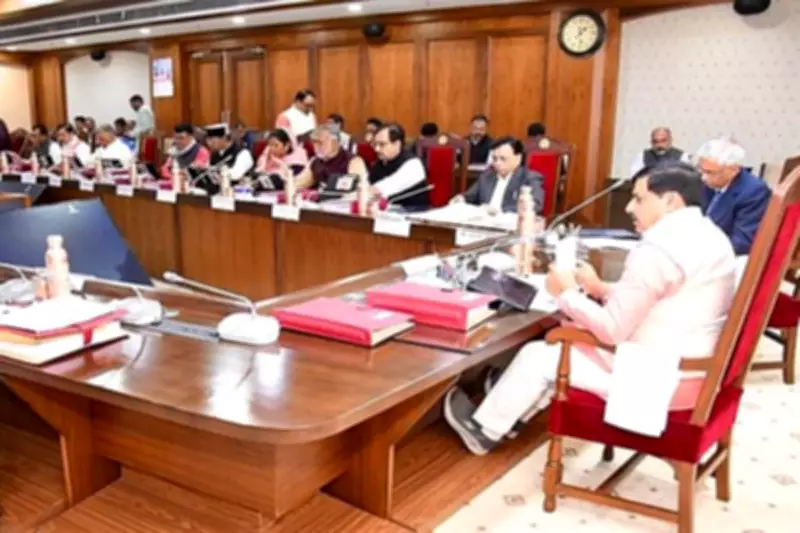
The approval, granted during a recent cabinet meeting, ensures that eligible families who were displaced due to the Sardar Sarovar Project will not have to bear the financial burden of registering their residential plots. This initiative is expected to benefit thousands of households across the affected regions, primarily in Gujarat and Madhya Pradesh, where the project has had a profound impact on local communities.
The free registration scheme covers all residential plots that have been allocated to displaced families as part of the rehabilitation and resettlement packages. By waiving the registration fees, the government aims to facilitate smoother transitions for these families into their new homes, thereby enhancing their quality of life and integration into resettled areas.

Background on the Sardar Sarovar Project
The Sardar Sarovar Project, one of India's largest and most ambitious dam projects, was initiated to harness the waters of the Narmada River for irrigation, drinking water, and hydroelectric power generation. While the project has brought substantial benefits in terms of agricultural productivity and water supply, it has also led to the displacement of numerous families over the decades.
Rehabilitation and resettlement efforts have been ongoing, but challenges such as financial constraints and bureaucratic hurdles have often hindered the process. The latest cabinet decision is seen as a proactive measure to address these issues, ensuring that displaced families receive the full benefits of the resettlement packages without additional costs.
Expected Impact and Benefits
The approval of free registration is anticipated to have several positive outcomes:
- Financial Relief: Displaced families will save on registration fees, which can be a significant expense, allowing them to allocate resources to other essential needs such as housing construction or livelihood development.
- Enhanced Rehabilitation: By removing financial barriers, the government hopes to accelerate the rehabilitation process, ensuring that families can settle into their new plots more quickly and securely.
- Social Integration: Easier access to registered plots may foster better community integration and stability in resettled areas, contributing to overall social harmony and development.
This move aligns with broader government efforts to support vulnerable populations affected by large-scale infrastructure projects, emphasizing a commitment to inclusive growth and welfare.
Implementation and Next Steps
Following the cabinet approval, the relevant state governments and authorities are expected to implement the free registration scheme promptly. Coordination between central and state agencies will be crucial to ensure that the benefits reach all eligible families without delay.
Officials have indicated that detailed guidelines and procedures will be issued soon to streamline the process. This includes identifying eligible beneficiaries, processing applications, and facilitating the registration of plots in a transparent and efficient manner.
The decision has been welcomed by various stakeholders, including advocacy groups and community leaders, who have long called for such measures to alleviate the hardships faced by displaced families. It underscores the government's responsiveness to the needs of those impacted by developmental projects, balancing progress with social justice.