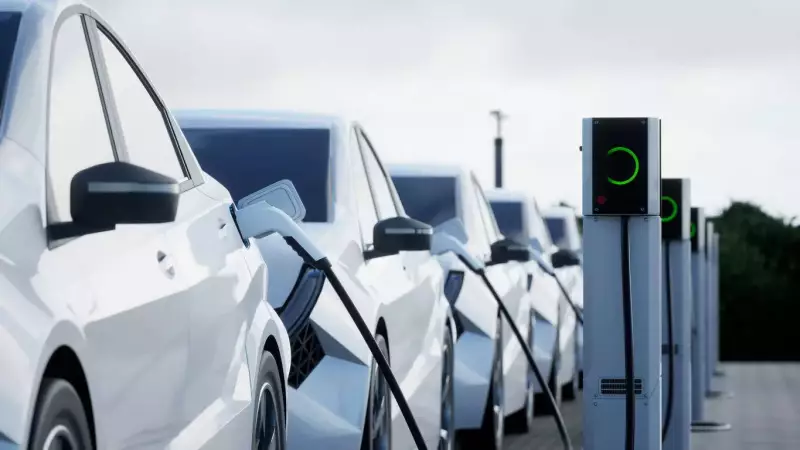
As the Union Budget 2026-27 draws near, with just one week remaining until its presentation, the electric vehicle sector in India is brimming with anticipation. Industry stakeholders are keenly awaiting potential announcements from Finance Minister Nirmala Sitharaman that could significantly accelerate the adoption of electric vehicles across the nation. A recent analysis by Deloitte India underscores the critical areas where governmental intervention could make a substantial impact.
Key Expectations from the Upcoming Budget
Deloitte India has pinpointed several strategic focus areas for the government in the forthcoming budget. These include strengthening domestic manufacturing capabilities, supporting clean mobility initiatives, and encouraging robust investment throughout the entire EV value chain. According to Sheena Sareen, a Partner at Deloitte India, the budget may introduce recalibrated Production-Linked Incentive schemes specifically tailored for electric vehicles and advanced automotive components.
Targeted Incentives and Tax Breaks
Sareen elaborated that these recalibrated PLI schemes could be accompanied by targeted tax breaks aimed at research and development activities and capital goods production. "This will help companies that have so far been unable to avail incentives due to stringent eligibility conditions," she noted, emphasizing that R&D remains a cornerstone of the evolving EV ecosystem. The industry is actively seeking relaxations in domestic value addition norms and lower PLI investment thresholds. Such adjustments would enable a broader range of manufacturers, including innovative startups and component suppliers, to benefit from these schemes.

Proposed Capital Goods Incentive Scheme
Furthermore, Sareen mentioned a proposed capital goods incentive scheme that would establish specific thresholds for the automotive and EV sectors. "This would encourage domestic manufacturing of capital goods required for the EV and automotive sectors, which currently remain heavily dependent on imports," she explained. Strengthening this segment is viewed as essential for supporting the entire EV value chain and reducing long-term import dependence, which aligns with national goals of self-reliance.
Broader Economic and Strategic Impacts
The analysis from Deloitte India suggests that these proposed measures could yield significant macroeconomic benefits. By reducing reliance on imported technologies and promoting indigenisation, India could substantially cut its crude oil import bill, thereby conserving valuable foreign exchange. Sareen highlighted that these interventions "could play a critical role in scaling up EV production, reducing dependence on imported technologies, and lowering India's crude oil import bill, thereby saving foreign exchange."
Tax Incentives for Localisation
Tax incentives designed to spur innovation are expected to drive the localisation of critical EV components. This includes batteries, power electronics, and other essential parts. Such localisation efforts are crucial for building a resilient and self-sufficient EV manufacturing base within the country.
Indirect Taxes and Regulatory Considerations
On the front of indirect taxes, Sareen indicated that the scope for further broad-based GST rate rationalisation might be limited following the comprehensive GST 2.0 reforms. "The GST 2.0 exercise lowered rates for smaller vehicles to around 18% and pegged mid and higher segments at close to 40%. Expecting further broad-based cuts may be a stretch," she remarked. However, she pointed out that inverted duty structures continue to inflate the costs of vehicles and EVs. Extending refund mechanisms to capital goods and input services, or linking them to exports, could enhance affordability for consumers.
Simplifying Customs Procedures
Sareen also emphasized the need for simplifying customs procedures, particularly concerning the Special Valuation Branch for imports from related parties. Streamlining SVB norms and eliminating provisional duty requirements could boost supply chain efficiency and provide greater certainty regarding import costs, further supporting the EV sector's growth.

Driving Sustainability Through Regulation
Regarding sustainability, Sareen noted that India's transition towards cleaner mobility is currently being propelled by Corporate Average Fuel Efficiency norms rather than immediate carbon taxes. "As these measures evolve, they are likely to further incentivise electrification, hybridisation and other low-emission technologies," she stated, highlighting significant industry investments already being made in energy-efficient technologies and dedicated EV platforms.
Conclusion: A Holistic Approach for Long-Term Gains
In conclusion, a well-designed mix of EV-specific incentives, targeted tax relief, and enhanced regulatory clarity in the upcoming Union Budget 2026-27 could deliver multifaceted benefits. Such measures would not only bolster India's clean energy ambitions and reduce fossil fuel dependence but also contribute to strengthening the country's external balances over the long term. The EV sector's expectations are high, and the budget's announcements will be closely watched for their potential to catalyze a new phase of growth in India's electric mobility landscape.