

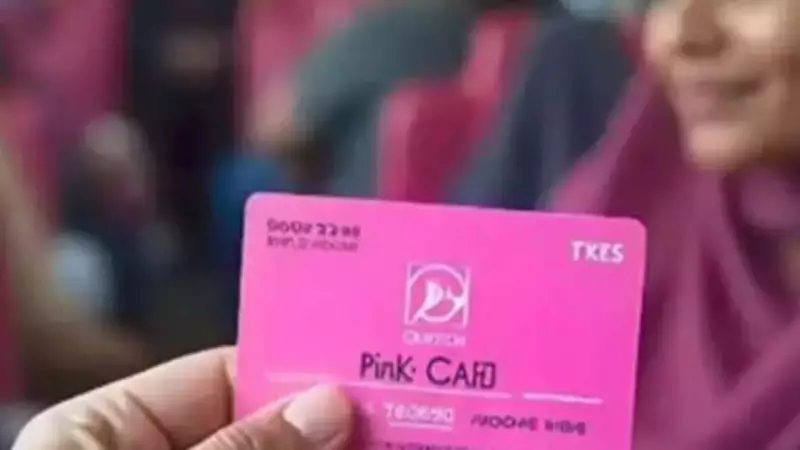
The Delhi government is poised to usher in a new era for its landmark women's free bus travel initiative with the introduction of the Pink Saheli smart card starting in the New Year. Officials have confirmed that preparations are in the final stages, marking a significant shift from the current paper-based system to a digital, transparent mechanism for the scheme that benefits a staggering 2 crore women commuters every month.
From Paper Tickets to Smart Cards: How the New System Works
This new smart card will be mandatory for all women and girls wishing to avail of free rides on Delhi Transport Corporation (DTC) buses. To obtain the card, applicants must be female residents of Delhi aged 12 years and above. The government, having finalized two private vendors, will establish dedicated application counters across the city at easily accessible locations. These will include district magistrate (DM) offices, sub-divisional magistrate (SDM) offices, bus depots, and Common Service Centres (CSCs).
The primary document required for application will be the Delhi Aadhaar card as proof of identity and residence. Once issued, commuters will simply need to tap their Pink Saheli card on the electronic ticketing machine (ETM) carried by bus conductors to validate their free journey. This digital process will completely phase out the existing paper pink ticket system that has been operational since the scheme's inception in October 2019.

A Trio of Smart Cards: Beyond the Pink Saheli
The transport department's vision extends beyond the women's travel scheme. In collaboration with selected banks, they plan to introduce two additional categories of smart cards, creating a unified ecosystem for Delhi's public transport.
- Category-specific Card: This card will cater to bus pass holders from over 12 beneficiary categories, including senior citizens, persons with disabilities, sportspersons, war widows, and national award winners.
- General Smart Card: Functioning similarly to a metro card, this will be a prepaid travel card for all commuters. It will require full KYC details, including the passenger's name and photograph. Officials indicated a minimum initial payment of Rs 120 to obtain this card, with the option to recharge as needed. There is also potential for this card to be made interoperable with the Delhi Metro, though this feature is yet to be finalized.
Rollout Timeline and Government Assurance
If all preparations stay on track, the formal launch of the Pink Saheli card scheme could happen any time after January 14. In a recent review meeting, Transport Minister Pankaj Singh directed the department and partnering banks to ensure a smooth and hassle-free card issuance process for the public.
While banks will shoulder the responsibility of opening and managing the application counters, the government has committed to overseeing the entire operation. The minister emphasized that the administration would ensure women face no inconvenience while applying for their Pink Saheli cards, underscoring the scheme's commitment to accessibility and ease of use.
This digital overhaul is primarily aimed at injecting greater transparency and efficiency into the high-volume free travel program. By moving to a tap-and-go smart card system, the Delhi government aims to streamline operations, reduce potential misuse, and provide a more seamless commuting experience for millions of women across the national capital.






