

In a significant move to bolster India's nuclear energy ambitions, the Union Budget 2026-27 has announced a customs duty exemption on imports of capital goods required for nuclear power projects, extending this benefit until the year 2035. This strategic decision aligns with the government's broader push to enhance the nation's nuclear capacity and attract private investment into the sector.
Budget Announcement and Key Details
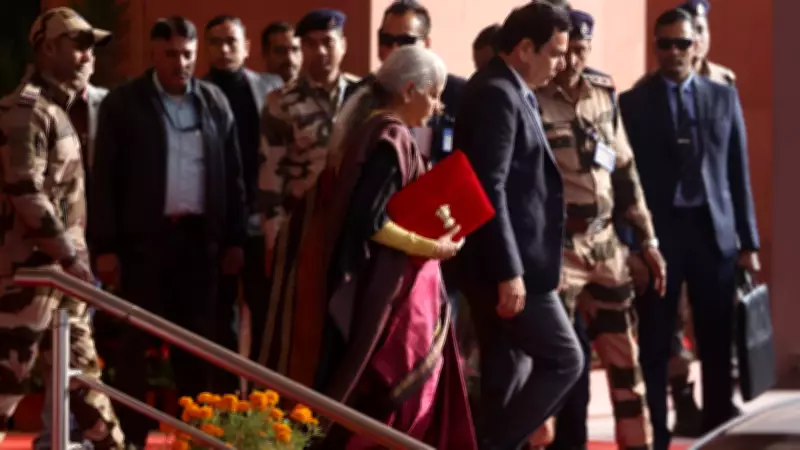
Finance Minister Nirmala Sitharaman, during her budget speech on Sunday, stated, "I propose to extend the existing basic customs duty exemption on imports of goods required for Nuclear Power Projects till the year 2035 and expand it for all nuclear plants irrespective of their capacity." This exemption applies to critical components such as Control and Protector Absorber Rods and Burnable Absorber Rods, which previously attracted a customs duty of 7.5%. Post-budget, these items will now enjoy a nil duty rate, reducing costs for nuclear project developers.
Aligning with National Goals
The exemption is a key step towards achieving the government's ambitious target of scaling India's nuclear capacity to 100 gigawatts electrical (GWe) by 2047. This represents more than a tenfold increase from the current installed capacity of 8.8 GWe. The move builds upon the SHANTI Act, enacted months earlier, which removed long-standing legal and regulatory barriers to private participation in the nuclear sector. By lowering import duties, the government aims to make nuclear projects more financially viable and accelerate their deployment.

Impact on Nuclear Projects and Technology
The customs duty exemption is expected to facilitate more imported Light Water Reactor (LWR)-based nuclear projects, similar to those being established by Russian collaborators in Kudankulam. While India has deep expertise in manufacturing Pressurised Heavy Water Reactors (PHWRs), which use heavy water and natural uranium, LWRs now dominate the global market, accounting for over 85% of civil nuclear reactor capacity worldwide. This policy shift could help India integrate more advanced LWR technology into its energy mix.
Broader Policy Context
This budget measure comes amid a significant policy shift signaled by the draft National Electricity Policy (NEP), which identifies nuclear power as a potential replacement for thermal power in India. By reducing import costs, the government not only supports the growth of nuclear energy but also encourages private sector involvement, fostering innovation and competition in the sector. The extended exemption until 2035 provides long-term certainty for investors and project planners, enhancing the attractiveness of nuclear energy investments.
Overall, the customs duty exemption in Budget 2026-27 underscores the government's commitment to expanding India's nuclear footprint, leveraging private sector capabilities, and transitioning towards cleaner energy sources to meet future power demands.






