Chandigarh and Delhi Emerge as Top LPG Consumers in India
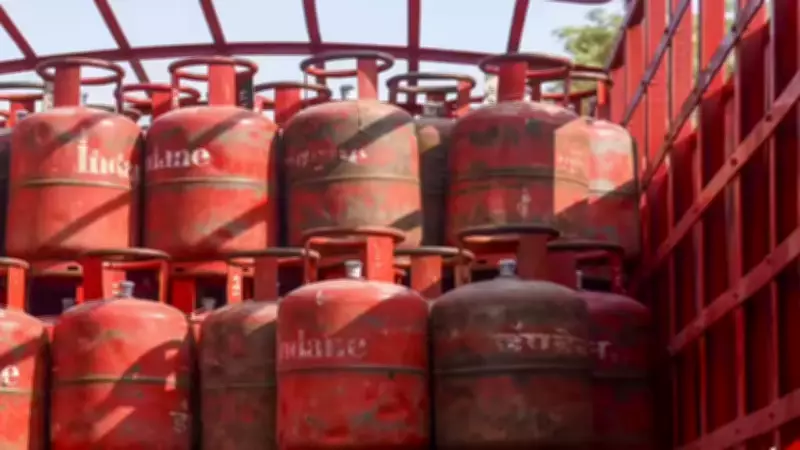
New data from the petroleum ministry reveals that Chandigarh and Delhi are the biggest consumers of domestic liquefied petroleum gas (LPG), commonly known as cooking gas, in the country. The annual consumption in both cities significantly outpaces the national average, highlighting regional disparities in energy usage patterns.
Detailed Consumption Figures for PMUY and Non-PMUY Households
According to information shared by the petroleum ministry in Parliament, beneficiaries of the Pradhan Mantri Ujjwala Yojana (PMUY) in Delhi consumed an average of 7.4 cylinders during the 2025-26 period. In Chandigarh, PMUY beneficiaries used 7.2 cylinders. This compares to a national average of just 4.8 cylinders for PMUY households.
Among non-PMUY consumers, the usage was even more pronounced. Households in Chandigarh consumed nearly 9.6 cylinders in fiscal year 2026, while those in Delhi used 9.2 cylinders. The national average for non-PMUY consumers in the recently ended fiscal year stood at 6.8 cylinders.

The government pro-rated LPG consumption data from April 2025 to January 2026 to estimate these annual averages, providing a comprehensive picture of domestic fuel usage across different segments of the population.
Other States and Union Territories with Above-Average Consumption
Several other regions also reported LPG consumption exceeding the national average. These include Haryana, Uttarakhand, Punjab, Rajasthan, Uttar Pradesh, Gujarat, and Karnataka among states, along with Union Territories such as Puducherry and the Andaman and Nicobar Islands.
In contrast, Chhattisgarh, Jharkhand, Assam, Madhya Pradesh, and several Northeastern states reported consumption well below the national average, indicating varying adoption and usage patterns of cooking gas across different parts of India.
Government Policy Changes and Import Dependencies
Based on consumption patterns across both PMUY and non-PMUY households, the government recently revised the minimum gap between delivery of a cylinder and booking of a refill. The new policy mandates a 25-day gap in urban areas and a 45-day gap in rural areas.
This move comes amid pressure on energy imports due to the ongoing conflict in West Asia, a key supplier of crude oil and gas to India. The country meets approximately 60% of its LPG requirement through imports, with 90% of those imports originating from West Asian nations.
Scale of India's LPG Consumer Base and PMUY Scheme Details
India currently has over 31 crore LPG consumers, including 10.6 crore PMUY beneficiaries. Launched in May 2016, the PMUY scheme aims to provide deposit-free LPG connections to adult women from economically disadvantaged households.
Beneficiaries currently receive a subsidy of Rs 300 per cylinder, for up to 12 refills annually, with the amount credited directly to their bank accounts. This subsidy mechanism represents a significant component of the government's social welfare expenditure.
Financial Implications and Subsidy Burden
In a written reply to an unstarred question in the Rajya Sabha, Minister of State for Petroleum Suresh Gopi disclosed that the government released Rs 31,246 crore towards PMUY subsidy and Rs 6,348 crore under direct benefit transfer for LPG between 2020-21 and 2024-25.
The higher consumption of LPG, particularly in urban centers like Delhi and Chandigarh, could potentially add to the government's subsidy burden if global prices remain elevated amid ongoing international conflicts affecting energy markets.
The data underscores the complex interplay between energy consumption patterns, government subsidies, import dependencies, and regional economic factors that shape India's domestic fuel landscape.