Union Budget 2026 Unveils Ambitious Tourism and Infrastructure Roadmap
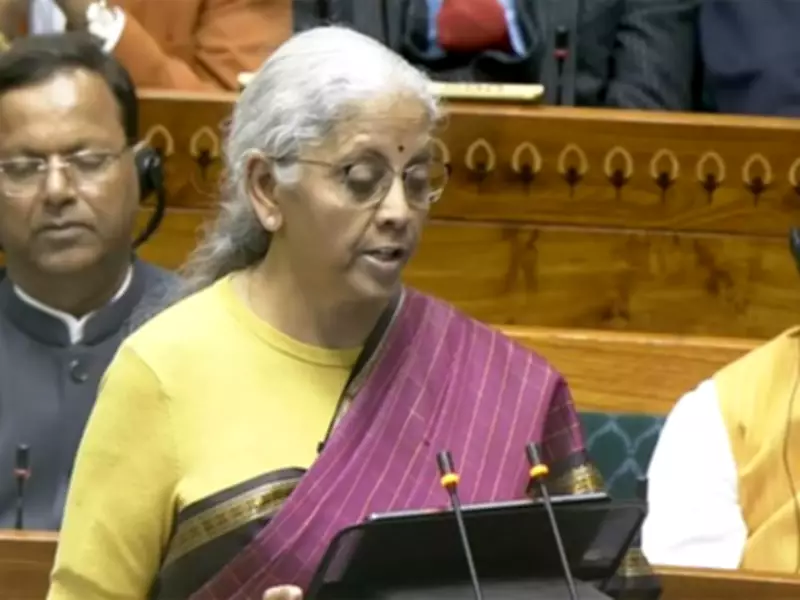
All eyes are on Finance Minister Nirmala Sitharaman as she presents the Union Budget 2026 in Parliament today, laying out the government's comprehensive economic growth strategy. For India's tourism and hospitality sector, this budget is being closely monitored as it sets the agenda for the next phase of expansion and development.
Tourism Industry Anticipates Positive Changes
With the Union Budget being tabled in the Lok Sabha, India's travel and tourism industry is preparing for transformative changes that could stimulate broader economic growth. The sector has long been seeking stronger budgetary support to enhance nationwide connectivity and stimulate new air routes.
Expectations are particularly high around several key areas including regional air connectivity, infrastructure investment, targeted tourism initiatives, and ambitious domestic and international passenger growth goals. Industry experts believe these measures could collectively mark a significant turning point for the travel industry under the 2026 Budget framework.

Stock Market Response and Heritage Tourism Push
The financial markets have already responded positively to the budget announcements. Tourism-related stocks showed significant gains, with shares of travel and tourism companies rising as much as 10 percent following the Finance Minister's emphasis on building indigenous tourism infrastructure.
In her parliamentary speech, Sitharaman proposed developing 15 archaeological sites across the country to promote heritage tourism. Specific locations mentioned include Sarnath and Hastinapur, which will receive focused development attention. Additionally, the budget outlines a comprehensive plan for scaling up to 10,000 trained guides in well-known tourist hubs throughout India.
The government plans to implement thorough documentation of this heritage preservation work, extending it to a wide range of spiritual and historic sites nationwide. This dual approach aims to better implement preservation efforts while simultaneously promoting tourism-driven economic development across various regions.
Mountain Train Services for Hilly Regions
The Budget 2026 also introduces innovative plans for mountain train services in several states including Himachal Pradesh, Uttarakhand, and Jammu & Kashmir. These specialized rail services are designed to improve connectivity in challenging hilly terrains while promoting tourism in areas that have traditionally been difficult to access.
This initiative represents a significant step toward making remote, scenic destinations more accessible to both domestic and international tourists, potentially unlocking new economic opportunities for local communities in these regions.
Major Infrastructure Push with High-Speed Rail Corridors
In what constitutes a substantial infrastructure development push, Finance Minister Sitharaman proposed commencing work on seven high-speed rail corridors designed to connect major Indian cities and revolutionize long-distance travel. Announcing these plans during her Union Budget 2026 presentation, she emphasized that these corridors would connect important economic, industrial, and cultural centers across the country.
The primary objectives of these high-speed rail projects include reducing travel time between key destinations, increasing logistics efficiency, and promoting balanced regional growth. The seven corridors identified for development are:
- Mumbai–Pune
- Pune–Hyderabad
- Hyderabad–Bengaluru
- Hyderabad–Chennai
- Chennai–Bengaluru
- Bengaluru–Varanasi
- Varanasi–Siliguri
These strategic corridors are intended to enhance connectivity across western, southern, and eastern India while effectively linking major economic centers with technology hubs. The comprehensive nature of this rail network development reflects the government's commitment to creating a modern transportation infrastructure that supports both tourism growth and broader economic objectives.
As the budget announcements continue to unfold, industry stakeholders remain optimistic that these measures will create a robust foundation for sustainable tourism growth, benefiting hotels, travel companies, investors, and related sectors throughout the coming years.