Union Budget 2026-27 Unveils Transformative Measures for Fisheries and Animal Husbandry
In a significant move aimed at revitalizing India's rural economy, Finance Minister Nirmala Sitharaman presented the Union Budget 2026-27 with a strong focus on the fisheries and animal husbandry sectors. The budget introduces a comprehensive package of initiatives designed to professionalize these industries, enhance export competitiveness, and create sustainable employment opportunities in rural and peri-urban areas.
Key Fisheries Sector Reforms and Incentives
The budget includes several groundbreaking measures for the fisheries sector, which is poised to receive a substantial boost. One of the most notable announcements is the exemption of duty on fish caught by Indian fishing vessels in the Exclusive Economic Zone (EEZ) or on the high seas. This strategic move is expected to reduce operational costs for fishermen and encourage deeper sea fishing activities.
Additionally, the government has proposed to amend the Customs Act, 1962, by adding a new section 56A. This amendment will provide special provisions for fishing and related activities by Indian-flagged vessels beyond India's territorial waters. Under this provision, fish harvested beyond these waters may be brought into India free of duty, with safeguards to prevent misuse during catch, transit, and transshipment.

To further support the seafood export industry, the budget increases the limit for duty-free imports of specified inputs used for processing seafood products for export. The limit has been raised from the current 1 percent to 3 percent of the Free on Board (FOB) value of the previous year's export turnover. This measure is anticipated to enhance the competitiveness of Indian seafood in global markets.
Integrated Development and Value Chain Strengthening
The finance minister outlined plans for the integrated development of 500 reservoirs and Amrit Sarovars, which are water bodies rejuvenated as part of the Azadi ka Amrit Mahotsav initiative. This development is expected to improve water resources for fisheries and other agricultural activities.
Furthermore, the budget emphasizes strengthening the fisheries value chain in coastal areas and enabling market linkages. This will involve collaboration with startups and women-led groups, alongside Fish Farmers Producer Organisations, to ensure a more organized and efficient supply chain.
Credit-Linked Subsidy Program for Animal Husbandry
In a bid to professionalize the animal husbandry sector, the budget introduces a credit-linked subsidy program. This initiative aims to support entrepreneurship development through:
- A Credit-Linked Subsidy Programme
- Scaling-up and modernization of livestock enterprises
- Enhanced creation of livestock, dairy, and poultry-focused integrated value chains
- Encouragement of Livestock Farmer Producers Organisations
These measures are designed to formalize animal husbandry activities, which have largely operated in the unorganized sector, thereby improving productivity and market access.
Expansion of Veterinary Infrastructure and Collaboration
To strengthen animal health systems, the budget announces plans to scale up the availability of veterinary professionals by more than 20,000. This will be achieved through a loan-linked capital subsidy support scheme for establishing veterinary and para-vet colleges, veterinary hospitals, diagnostic laboratories, and breeding facilities in the private sector.
The finance minister also highlighted the facilitation of collaboration between Indian and foreign institutions, which is expected to bring in advanced technologies and best practices to the sector.
Positive Reception from Government Officials
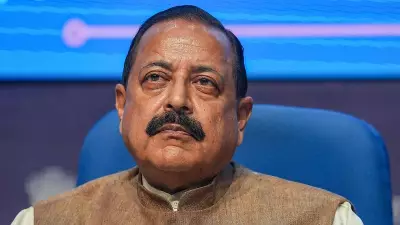
Fisheries, Animal Husbandry and Dairying Minister Rajiv Ranjan Singh welcomed the budget announcements, stating that these measures will significantly boost the livestock and fisheries sectors. He emphasized that the initiatives will help formalize animal husbandry activities and enhance the overall health and productivity of livestock.

The Union Budget 2026-27, with its focused approach on fisheries and animal husbandry, aims to transform these sectors into key drivers of rural economic growth. By providing duty exemptions, increasing import limits, and introducing subsidy programs, the government seeks to create a more professionalized and competitive environment for these vital industries.