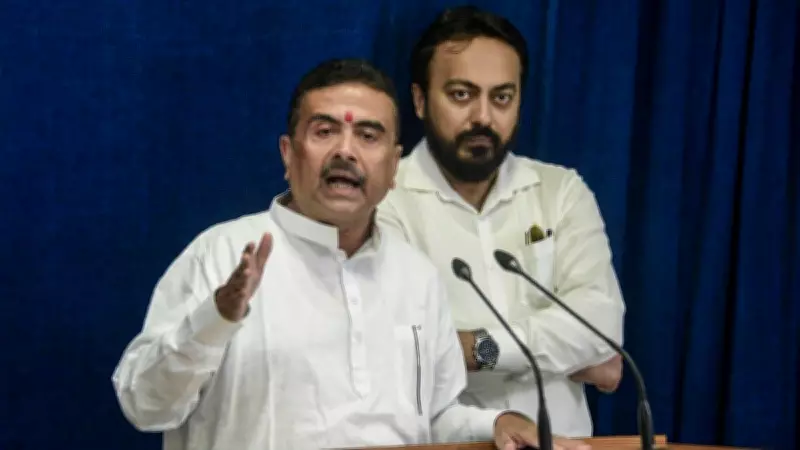
The West Bengal government has launched the Annapurna Yojana, a flagship scheme aimed at providing financial assistance to women across the state. In the first phase, 28.25 lakh women will receive a monthly aid of Rs 3,000, Chief Minister Suvendu Adhikari announced on Wednesday.
Key Features of the Scheme
Under the Annapurna Yojana, eligible women beneficiaries will get direct cash transfers of Rs 3,000 per month into their bank accounts. The scheme is designed to support women from economically weaker sections and empower them financially.
Phased Implementation
The first phase covers 28.25 lakh women, with the government planning to expand coverage gradually. Chief Minister Adhikari stated that fresh applications would continue to be accepted, and all eligible beneficiaries would be covered after verification over the next three months.

Application Process
Women who meet the eligibility criteria can apply through designated government portals or local offices. The verification process will ensure that only genuine beneficiaries receive the aid. The government has set up a robust mechanism to prevent fraud and ensure transparency.
Government's Vision
Chief Minister Adhikari emphasized that the Annapurna Yojana reflects the government's commitment to women's welfare and financial independence. He said, "This scheme will provide a safety net for women and help them lead a dignified life."
Impact on Women
The monthly assistance of Rs 3,000 is expected to significantly improve the living standards of beneficiary families. Many women in rural and urban areas will benefit, enabling them to meet essential needs such as food, healthcare, and education for their children.
Future Plans
The government aims to cover all eligible women in the state within the next three months. Continuous enrollment will be allowed, and the scheme will be monitored regularly to ensure effective implementation. The Annapurna Yojana is part of a broader social welfare agenda to uplift marginalized communities.
This initiative has been widely welcomed by women's groups and social activists, who see it as a major step toward gender equality and economic empowerment. The West Bengal government has allocated substantial funds for the scheme in the state budget.