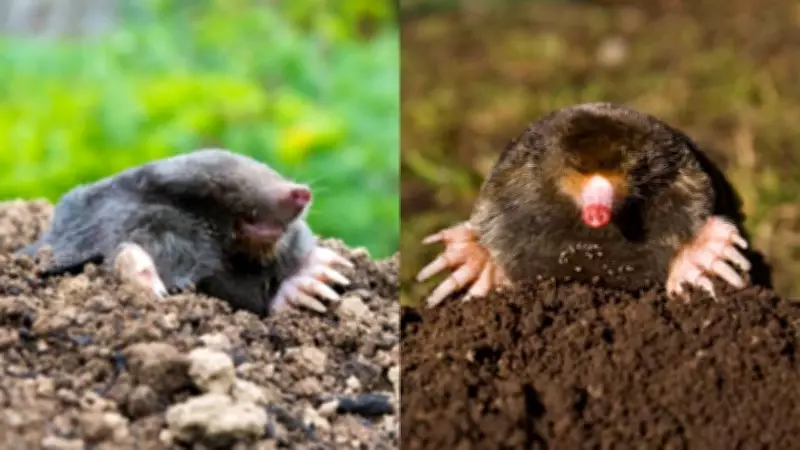
Moles, though small and elusive, can cause significant damage to gardens. Their tunnel-digging activities, driven by a search for insects and earthworms, result in raised ridges, molehills, and disturbed plant roots. While moles do not typically feed on plants, their presence can wreak havoc on lawns, flower beds, and vegetable gardens. Fortunately, there are several humane yet effective ways to drive moles out of your garden. Below are five proven tips to deter moles while promoting a thriving garden.
Reduce Their Food Supply
The primary reason moles invade a garden is the abundance of food in the soil. Earthworms, grubs, and insect larvae make up a considerable part of their diet. A garden rich in these creatures is highly attractive to moles. While earthworms are beneficial for soil health and should not be eliminated, controlling grub infestations can make the area less appealing. Regularly inspect your lawn for signs of grubs and use appropriate pest control methods, such as beneficial nematodes or milky spore, to reduce their population. This approach helps decrease the food sources that draw moles in.
Maintain Your Garden Properly
An overgrown garden provides excellent shelter for moles and other animals. Tall grass, dense vegetation, piles of leaves, and neglected areas create favorable conditions for mole activity. Keeping your lawn well-maintained and removing garden debris reduces the chances of moles moving in. Regular maintenance also allows you to spot early signs of mole presence, such as fresh tunnels or molehills, enabling prompt action. Mow the lawn regularly, trim overgrown bushes, and clear away fallen leaves to make your garden less inviting.

Use Natural Repellent Plants
Certain strongly fragrant plants are known to repel moles. These include marigolds, daffodils, alliums, and castor bean plants. While effectiveness can vary based on local climate and soil conditions, growing these plants in borders and flower beds may help deter moles. In addition to their potential repellent properties, these plants add beauty, variety, and color to your garden. Planting them around vulnerable areas can create a natural barrier that moles find unappealing.
Disturb Active Tunnels
Stable tunnels allow moles to move efficiently underground. By identifying and flattening fresh tunnels, you can signal to moles that the area is not a comfortable habitat. Persistence is key; a single disturbance is rarely enough. Consistently monitor your garden for new tunnel activity and flatten them daily. This repeated disruption encourages moles to relocate to quieter areas. Use a garden roller or simply stomp down the raised ridges to collapse the tunnels.
Create Barriers
For persistent mole problems, installing underground barriers can be an effective solution. Use fine wire mesh or specialized underground fencing to protect valuable flower beds, vegetable patches, and newly planted areas. These barriers allow plant roots to grow normally while preventing moles from entering the protected zone. Although installation requires time and effort, it provides long-term protection against repeated tunneling and soil disturbance. Bury the mesh at least 18 inches deep and extend it outward to prevent moles from digging underneath.
By implementing these humane strategies, you can effectively manage mole activity in your garden without harming the animals. A combination of methods often yields the best results, ensuring your garden remains healthy and mole-free.