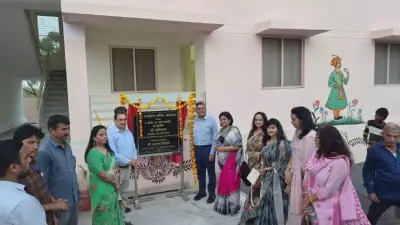
In a landmark achievement for social welfare and inclusive governance, the Noamundi administrative block in West Singhbhum district, Jharkhand, has set a historic precedent. It has become the first block in the state to successfully identify, certify, and link every eligible Person with Disability (PwD) to their rightful government entitlements.
The SABAL Initiative: Reimagining Disability Rights
This transformative shift is powered by SABAL, the Tata Steel Foundation's flagship disability inclusion program. Launched in 2017, SABAL began with a mission to view disability through a rights-based lens, as enshrined in the Rights of Persons with Disabilities (RPwD) Act, 2016. It has since evolved from a focused program into a replicable model for systemic change across rural India.
The cornerstone of this success is the innovative ICS model – Identification, Certification, and Saturation. This model established a clear, non-negotiable objective: achieving complete saturation in coverage. The strategy focused on strengthening the grassroots framework of rural service delivery.

Grassroots Mobilization and Digital Innovation
The execution was meticulous and community-driven. To ensure no one was left behind, the initiative began by training 135 anganwadi workers to recognize and understand all 21 types of disabilities listed under the RPwD Act. This empowered the frontline workers who are most familiar with their communities.
Technology played a crucial role in ensuring accuracy and efficiency. The team deployed the SABAL digital application to capture real-time, precise disability profiles directly from the field. Perhaps most critically, the program fostered a spirit of collective ownership. Local panchayats, various government departments, and community influencers were engaged as active co-owners in the entire process.
This collaborative ethos transformed the dynamic entirely. Persons with disabilities were no longer passive beneficiaries waiting for aid; they became active participants in their own journey toward inclusion and empowerment.
Tangible Outcomes and Sustainable Futures
The results of this concentrated effort were swift and remarkable. Within a few months, the Noamundi block achieved 100% identification and certification of its eligible PwD population. This bureaucratic milestone, however, was just the beginning.
The true measure of success lies in the sustainable opportunities created. As a direct result of being properly identified and certified, 292 Persons with Disabilities in Noamundi have already been connected to avenues for sustainable livelihoods. These opportunities span a wide spectrum, including:
- Skill development and vocational training programs.
- Support for starting and growing their own enterprises.
- Direct linkages to formal and informal employment.
The Noamundi model demonstrates that with a rights-based approach, community collaboration, and strategic use of technology, complete inclusion is an achievable goal. It provides a powerful blueprint for other administrative blocks across Jharkhand and India to emulate, turning policy promises into tangible progress on the ground.