

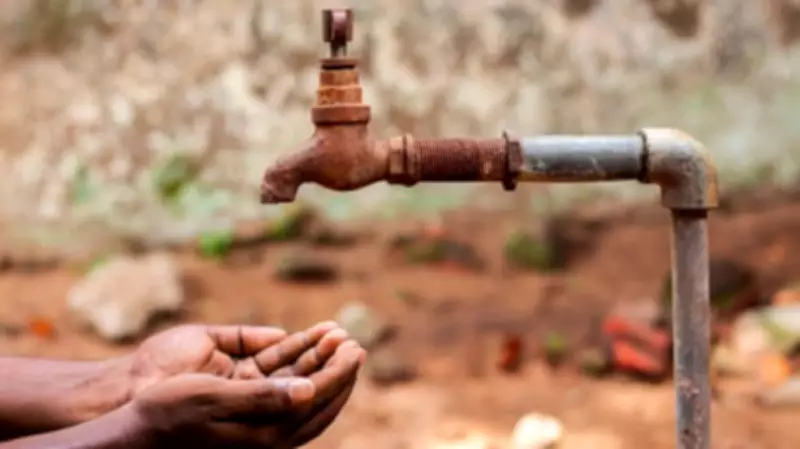
Unspent Funds Deepen India's Water Crisis, Threatening Development Goals
The persistent issue of unspent funds in India's water management schemes is significantly worsening the nation's water crisis, posing a severe threat to sustainable development and public health. This editorial examines how financial inefficiencies are undermining efforts to address water scarcity, with far-reaching implications for millions of citizens.
The Scale of the Financial Shortfall
Recent reports indicate that substantial amounts allocated for critical water-related initiatives remain unutilized. For instance, funds earmarked under schemes like the Jal Jeevan Mission and the Atal Bhujal Yojana have not been fully spent, despite urgent needs for infrastructure and conservation projects. This financial gap highlights systemic challenges in fund disbursement and project implementation at both central and state levels.
The consequences of these unspent funds are dire. They delay the construction of water supply systems, hinder groundwater recharge efforts, and stall the adoption of water-saving technologies. As a result, communities across India continue to grapple with inadequate access to clean water, exacerbating health risks and economic hardships.

Impact on Water Security and Development
Water scarcity is not just an environmental issue; it is a critical development challenge. Unspent funds directly affect India's ability to meet Sustainable Development Goal 6, which aims to ensure availability and sustainable management of water and sanitation for all. The editorial points out that without efficient fund utilization, progress toward this goal remains sluggish, putting India's long-term development aspirations at risk.
Moreover, the water crisis disproportionately affects vulnerable populations, including rural communities and urban poor, who often bear the brunt of water shortages. Delays in funding exacerbate inequalities, as marginalized groups struggle to access basic water services, leading to increased poverty and social unrest.
Systemic Issues and Proposed Solutions
The root causes of unspent funds are multifaceted, involving bureaucratic delays, lack of coordination between government agencies, and insufficient monitoring mechanisms. To address this, the editorial suggests several measures:
- Enhance transparency and accountability in fund allocation and spending processes.
- Streamline administrative procedures to reduce delays in project approvals and implementation.
- Strengthen monitoring systems to track fund utilization and ensure timely completion of water projects.
- Promote community involvement in water management initiatives to improve local ownership and sustainability.
By adopting these strategies, India can better leverage its financial resources to combat water scarcity. Efficient fund utilization is crucial for building resilient water infrastructure, promoting conservation practices, and securing water for future generations.
Conclusion: A Call to Action
In conclusion, the issue of unspent funds is a critical bottleneck in India's fight against water scarcity. Addressing this requires urgent policy reforms and a concerted effort from all stakeholders, including government bodies, civil society, and the private sector. Only through efficient and transparent fund management can India hope to overcome its water challenges and achieve sustainable development for all its citizens.






