Sustainable Mobility Network Launches TN Urban Mobility Charter 2031 to Transform Urban Transport
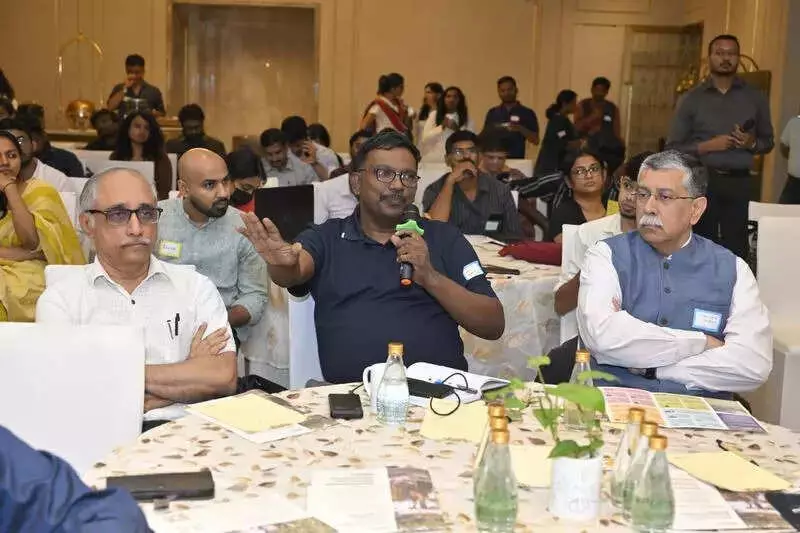
In a significant move to address long-standing urban mobility challenges, the Sustainable Mobility Network (SMN), a coalition comprising over 30 civil society organizations across India, unveiled the TN Urban Mobility Charter 2031 on Wednesday. This actionable roadmap is designed to urge political parties and governments to prioritize sustainable mobility at the core of Tamil Nadu's development agenda.
Persistent Gaps in Tamil Nadu's Urban Transport Infrastructure
Despite Tamil Nadu's status as an urbanized state, critical deficiencies persist in its public transport systems. Civil society groups have highlighted issues ranging from missing last-mile connectivity and inadequate bus services to poor pedestrian amenities and a lack of parking spots. Non-inclusive public transport further exacerbates these challenges, hindering equitable access for all residents.
According to recent data, Tamil Nadu's major cities operate with merely 18 buses per lakh population, a figure that falls drastically short of the benchmark of 60 set by the Ministry of Housing and Urban Affairs. This shortage severely impacts daily commuters, particularly in metropolitan areas.

Alarming Statistics from Chennai and Beyond
In Chennai alone, approximately 40% of residents do not have access to a bus stop within a reasonable walking distance. Pedestrian safety is another pressing concern, with pedestrians accounting for 30–50% of road fatalities in cities such as Chennai and Coimbatore. Venugopal A V, Programme Manager at ITDP India, emphasized that modes receiving the least investment—walking, cycling, and public transport—collectively account for 67% of trips across the state.
"Without decisive attention and action, these trends will worsen, deepening inequality and undermining the state's economic and climate goals," Venugopal warned, underscoring the urgent need for intervention.
Four-Pronged Strategy Proposed by the Charter
The TN Urban Mobility Charter 2031 outlines a comprehensive four-pronged strategy to overhaul urban transport. Key proposals include:
- A major expansion of public transport, ensuring a bus stop within a five-minute walk for all residents.
- Increasing fleet sizes to meet growing demand and improve service frequency.
- Extending free bus travel for women across all public buses to promote gender inclusivity.
- Enhancing integration between buses, metro, and suburban rail through digital ticketing and real-time information systems.
Expert Insights on Governance and Infrastructure
Vikram Kapoor, former Secretary of Planning and Development in Tamil Nadu, advocated for a shift towards empowered city governments with financial autonomy, as per the 73rd and 74th amendments of the Constitution. This, he argued, is essential for effective implementation of mobility reforms.
A Anbalagan, President of the All Omni Bus Owners Association, pointed out that last-mile connectivity and parking remain major constraints in urban areas like Chennai. Meanwhile, urban planner Pavithra Sriram from Design Co: Lab highlighted the everyday micro-incidents that shape urban experiences in Tamil Nadu.
"These vulnerabilities and inhibitions quietly deter children, elderly persons, and women from accessing the city unless absolutely necessary. What is needed is a strong top-down mandate for standardization in city design, enabling better enforcement, legibility, accessibility, and equity in public spaces, transportation, and urban infrastructure," Sriram explained.
Towards Inclusive and Climate-Resilient Cities
The charter calls for expanded public transport, safer streets, clean mobility solutions, and governance reforms to build inclusive, climate-resilient cities. By addressing these multifaceted issues, the Sustainable Mobility Network aims to foster a transport ecosystem that supports economic growth while mitigating environmental impacts.
As Tamil Nadu grapples with these urban mobility challenges, the TN Urban Mobility Charter 2031 serves as a critical blueprint for policymakers, urging immediate action to transform the state's transport landscape and ensure a sustainable future for all residents.