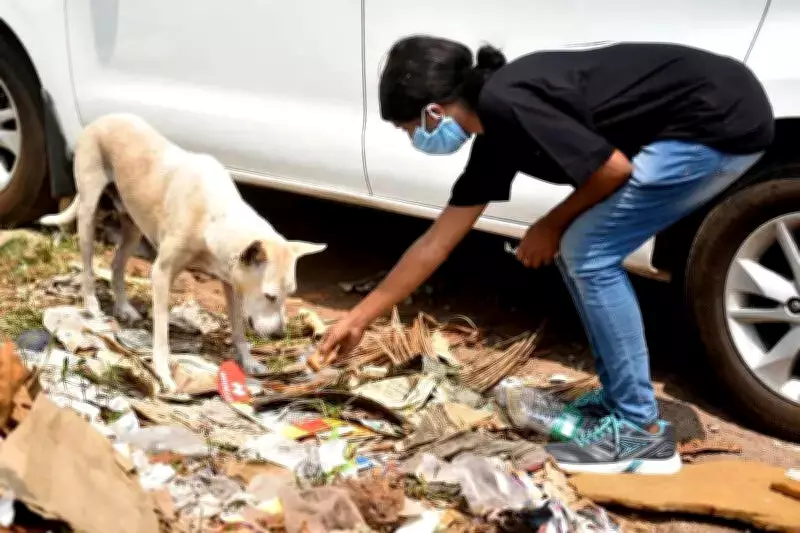
In a pioneering initiative, the Thiruvananthapuram City Corporation is set to introduce a fixed per-day maintenance rate for stray dogs rehabilitated in proposed shelter homes outside city limits. This move signals a shift towards structured partnerships with private agencies in urban animal management.
Fixed Rate and Approval Process
Sources confirmed that the civic body has decided to fix Rs 40 per dog per day for four NGOs that have come forward to operate the shelters. While similar collaborations exist elsewhere in India for sterilisation and vaccination, paying a standardised daily maintenance cost for shelter care is a relatively new model for local bodies.
Corporation officials stated that the proposal is in its final stage but requires approval from the Local Self-Government Department. The decision is likely to be made only after the model code of conduct is lifted and a new government takes charge.

Context and Financial Challenges
The initiative comes amid growing pressure on urban local bodies across India to adopt scientific and humane stray dog management systems that combine sheltering, sterilisation, and vaccination. In cities like Delhi, civic agencies reimburse NGOs up to Rs 1,000 per dog for sterilisation under the Animal Birth Control programme. Estimates suggest that comprehensive shelter care can cost over Rs 100 per dog per day, highlighting the financial challenges involved.
The proposed Rs 40 rate has already triggered concerns among participating NGOs. Corporation Health Standing Committee Chairman M R Gopan said, "The agencies had demanded a higher rate, citing expenses such as food, medical care, manpower, and infrastructure. However, we have decided to fix it at Rs 40 for now." He added that the rate may be reviewed later based on operational experience.
Shelter Locations and Management
The corporation has identified four potential locations outside its limits for setting up decentralised shelter homes. Officials indicated that the sites will be finalised by the second week of next month. The shelters are expected to accommodate aggressive stray dogs, injured dogs, or those requiring special care, in line with existing animal welfare guidelines.
Dr. Sreerag Jayan, a veterinary surgeon with the corporation's health wing, explained that the initiative is part of a strategy to ensure both public safety and animal welfare. "The idea is not indiscriminate confinement but scientific management. Shelters will have proper veterinary supervision, feeding systems, and monitoring mechanisms. Private agencies will play a key role, but strict guidelines will be in place to ensure humane treatment," he said.
Legal Scrutiny and Future Prospects
The corporation invited expressions of interest from private agencies to establish and manage the shelters and received responses from four organisations. However, the plan has faced legal scrutiny from animal welfare groups, which argue that only sick or aggressive dogs should be housed in shelters, not healthy strays.
Despite the challenges, officials maintain that the initiative is essential to address rising complaints of stray dog menace while adhering to Supreme Court-mandated norms on vaccination, sterilisation, and regulated sheltering. If approved, the fixed-rate model could emerge as a template for other urban local bodies grappling with similar issues, balancing financial constraints with the need for humane and effective stray dog management.