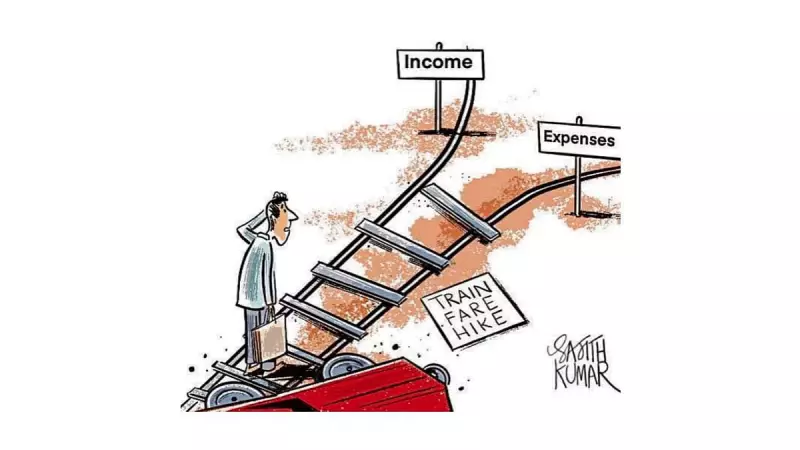
A recent decision by Indian Railways to increase passenger fares has triggered a wave of public discontent and sparked a heated political debate across the nation. The move, which sees a rise in the cost of train travel for millions of daily commuters and long-distance passengers, has been met with sharp criticism from various quarters.
Details of the Railway Fare Increase
The fare hike affects various classes of travel and types of trains within the Indian Railways network. While the exact percentage increase varies across categories, the revision applies to both ordinary and premium services. This adjustment marks a significant update to the fare structure, impacting the budgets of a vast section of the population that relies on the railways as their primary mode of transport.
The decision comes amidst broader economic discussions concerning the operational costs of maintaining the world's fourth-largest rail network. Proponents of the hike argue that it is necessary for infrastructure modernization, safety upgrades, and improving passenger amenities. However, this rationale has done little to assuage the immediate financial burden felt by the common citizen.

Public Reaction and Political Fallout
The public reaction to the announcement has been overwhelmingly negative. Social media platforms and public forums are flooded with expressions of frustration from daily commuters, students, and families for whom train travel is essential. Many argue that the increase places an undue strain on middle and lower-income households, especially in a period of general price inflation.
The political opposition has seized upon the issue, criticizing the government for making essential travel less affordable. They have framed the fare hike as anti-people and disconnected from the ground realities of economic stress. Cartoons and political commentary in major publications have satirized the decision, depicting the common man's struggle with rising costs. Meanwhile, the ruling dispensation and railway authorities have defended the step as a reluctant but necessary measure for the long-term health and development of the railway system.
Broader Implications and the Road Ahead
This fare revision opens up a larger conversation about subsidized public transport, fiscal sustainability, and equitable access. Analysts are weighing the impact on inflation, as transportation costs have a cascading effect on goods and services. There is also discussion about whether the increased revenue will be visibly translated into better services, cleaner stations, and more punctual trains.
The controversy underscores the delicate balance that Indian Railways must maintain between being a commercial enterprise and a public utility. The outcome of this debate may influence future policy decisions regarding fuel subsidies, freight rates, and public investment in rail infrastructure. As the public absorbs the new fare structure, all eyes will be on the national transporter to deliver on promises of enhanced service and efficiency, justifying the increased financial burden on its passengers.