

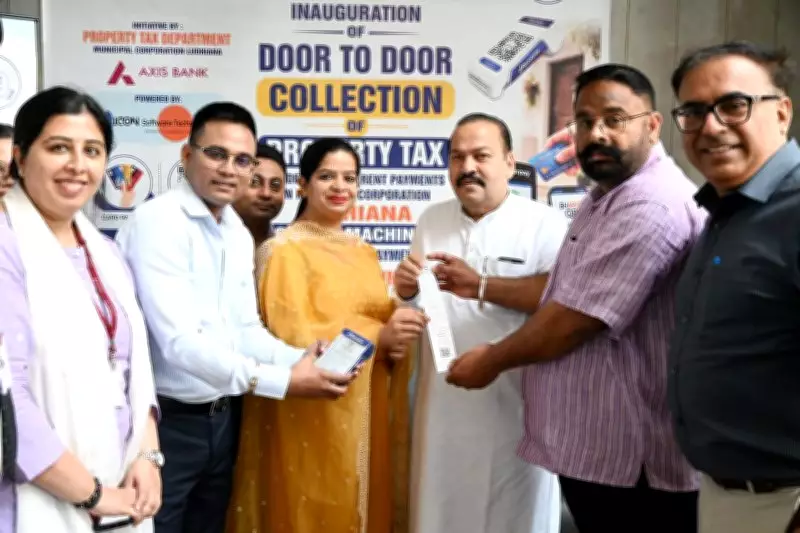
Punjab Pioneers Door-to-Door Tax Collection with E-POS Machines in Ludhiana
In a landmark move for digital governance, Punjab has launched its first-ever initiative using electronic point-of-sale (e-POS) machines to facilitate door-to-door payment of taxes. This innovative program, unveiled in Ludhiana, aims to streamline tax collection processes and enhance convenience for residents across the state.
Revolutionizing Tax Collection with Technology
The introduction of e-POS machines marks a significant step forward in modernizing tax administration in Punjab. These portable devices enable municipal officials to collect various taxes directly at citizens' doorsteps, eliminating the need for residents to visit government offices or banks. This initiative is part of a broader effort to boost digital payments and improve efficiency in public service delivery.
Key features of the e-POS system include:

- Real-time transaction processing for immediate tax payment confirmation.
- Support for multiple payment methods, including debit/credit cards and digital wallets.
- Enhanced security measures to protect sensitive financial data.
- Automated receipt generation, reducing paperwork and errors.
Benefits for Ludhiana Residents and Beyond
This initiative is expected to bring substantial benefits to the people of Ludhiana, Punjab's largest city and a major industrial hub. By bringing tax collection services to their homes, the government aims to reduce compliance burdens, especially for elderly or differently-abled individuals who may face mobility challenges. Additionally, the program is designed to increase tax revenue by making payments more accessible and transparent.
Officials have highlighted that this model could serve as a blueprint for other cities in Punjab and across India, promoting a shift toward more citizen-centric governance. The launch aligns with national digitalization goals, such as the Digital India campaign, which emphasizes leveraging technology for public welfare.
Future Expansion and Impact
While currently focused on Ludhiana, plans are underway to expand the e-POS-based tax collection system to other urban and rural areas in Punjab. This expansion is anticipated to further digitize financial transactions, curb tax evasion, and foster greater accountability in municipal operations.
The initiative also underscores Punjab's commitment to innovation in public administration, setting a precedent for other states to adopt similar technologies. As digital infrastructure continues to evolve, such efforts are crucial for building a more efficient and inclusive economy.






