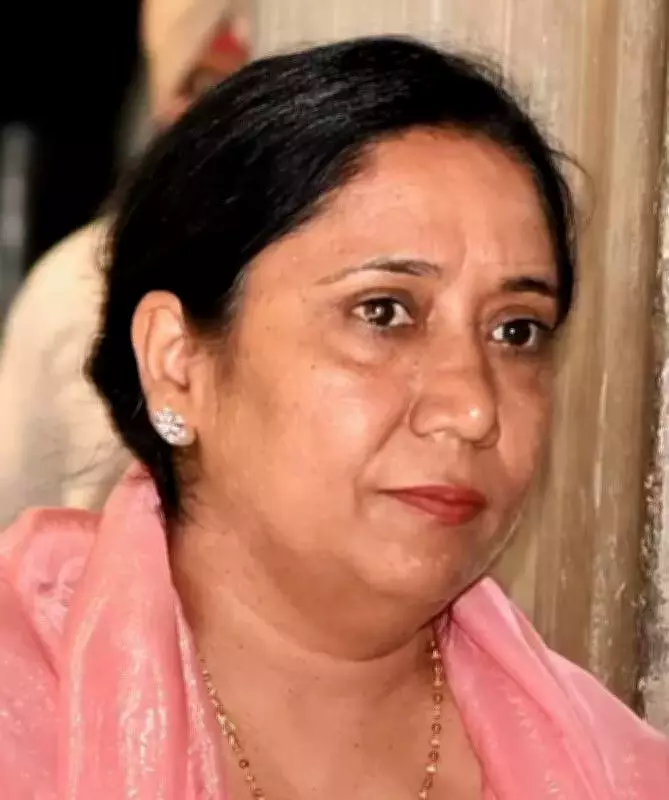
In a significant development for child welfare in Punjab, state authorities have successfully prevented 111 child marriages since the beginning of January 2024. This announcement was made by Baljit Kaur, the state minister for social security, women and child development, during a press briefing held in Chandigarh on Tuesday.
District-Wise Breakdown of Prevented Cases
Providing detailed insights into the geographical distribution of these interventions, Minister Baljit Kaur shared comprehensive district-wise data. The figures reveal a concentrated effort across various regions of Punjab, with some districts showing particularly high numbers of prevented cases.
Leading Districts in Prevention Efforts
Fazilka district emerged as the frontrunner with 18 successfully prevented child marriages, followed closely by Moga with 12 cases. Bathinda recorded nine prevented marriages, while Gurdaspur and Mansa each reported eight successful interventions.

Moderate Prevention Across Multiple Districts
The data further shows that Tarn Taran district prevented six child marriages, while Amritsar, Kapurthala, Muktsar, and Nawanshahr each reported five prevented cases. Four successful interventions were recorded in Fatehgarh Sahib, Ferozepur, Patiala, and Mohali districts.
Lower Incidence Areas
Faridkot and Ludhiana districts each prevented three child marriages, while Jalandhar and Pathankot reported two prevented cases each. The districts of Barnala, Hoshiarpur, Ropar, and Sangrur each recorded one prevented child marriage during this period.
Strengthening the Prevention Framework
To bolster the state's child marriage prevention mechanism, the Punjab government has taken a substantial administrative step by appointing 2,076 child marriage prohibition officers (CMPOs). Minister Baljit Kaur emphasized that this network includes child development project officers (CDPOs) who play a crucial role in implementing prevention strategies at the grassroots level.
Accessible Reporting Mechanisms
The minister highlighted the importance of community participation in combating child marriage. She informed that any concerned citizen can report suspected cases by calling the state's dedicated child helpline number, 1098. Alternatively, individuals can directly contact their nearest child marriage prohibition officer to file complaints or seek assistance regarding potential child marriage situations.
This multi-pronged approach combining statistical monitoring, administrative appointments, and public accessibility represents Punjab's comprehensive strategy to address the persistent issue of child marriage across the state. The significant number of prevented cases since January demonstrates the effectiveness of these coordinated efforts in protecting vulnerable children from early marriage.