Pune Residents Demand Revival of Mohalla Committee Meetings for Civic Governance
The term 'mohalla' refers to a close-knit, locality-based social unit, central to urban governance through decades-old 'mohalla committee' meetings. These gatherings facilitate direct contact between citizens and civic officials, fostering participatory democracy. However, this essential practice has faltered in Pune, particularly as the city undergoes rapid development, straining existing resources.
Stalled Meetings and Citizen Frustration
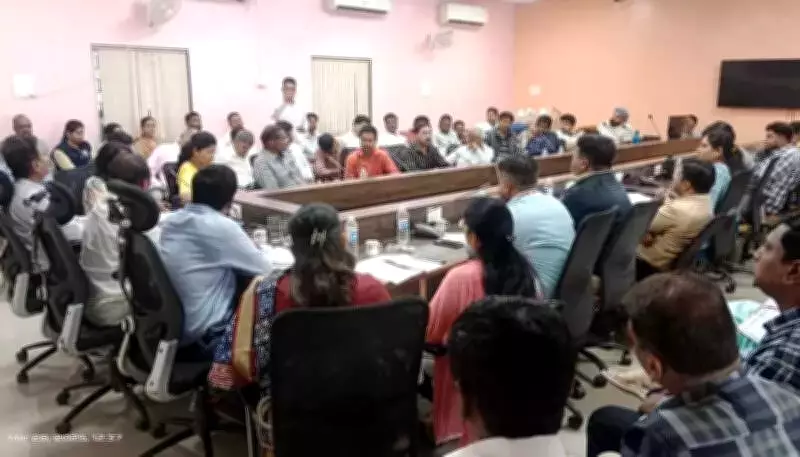
In Pune, the end-of-month tradition of mohalla committee meetings has largely ceased. For instance, Manish Deo, a core member of the Bavdhan Citizens Forum (BCF), highlighted that the last meeting for the Kothrud-Bavdhan ward office occurred in September 2025, with subsequent postponements by Pune Municipal Corporation (PMC) officials citing civic elections. "Mohalla committee meetings are extremely important for residents as they help get face-time with civic officials to solve small and big issues," Deo emphasized. He added that many attendees are working professionals who must plan leave in advance, underscoring the need for regular scheduling.
Typically held in the last week of each month, with different days assigned to various wards, these meetings have resumed in some areas post-elections but remain dormant in others. Frustrated by this inconsistency, residents from multiple wards visited PMC headquarters on February 26 to submit letters demanding immediate resumption. They argued that the interactions are crucial not only for raising issues but also for officials to provide updates on projects.

Calls for Decentralization and Transparency
Indraneel Sadgale, founder-member of the Sahakarnagar Citizens Forum (SCF), noted the strangeness of meetings occurring in some wards but not others. "It is understandable that the meets would be put on hold during elections as civic officials had an additional workload, but they should also resume immediately," he said, mentioning that his ward's last meeting was in November 2025. Sadgale stressed that decentralization of PMC is vital, allowing citizens to directly question officials from various departments in one forum. "These interactions can also help resolve chronic issues within a ward. There are detailed minutes of meetings, so it is easier to follow up on issues and actions taken for previously raised grievances," he added, highlighting the role of these meetings in promoting transparency.
When residents attempted to meet PMC commissioner Naval Kishore Ram last week, they were unable to do so and instead handed letters to deputy commissioner for solid waste management, Avinash Sakpal. Their demands included resuming meetings promptly and scheduling the missed February session in early March. Shyamala Desai, president of the National Society for Clean Cities, warned, "Discontinuing this platform risks creating a representative-only-centric system, whereas the essence of a healthy democracy lies in active citizen participation."
Broader Governance Gaps
Beyond mohalla committees, other forms of participatory governance, such as area sabhas and ward committees, are also lacking. Ravindra Sinha, convenor of Citizens for Area Sabha, explained that area sabhas allow registered voters to suggest development priorities, but the state government has never issued a notification to enforce them. Similarly, ward committees require public nominations, but a 2019 Bombay High Court order directing compliance has not been implemented. Activists argue that enforcing these legally binding mechanisms is critical for true citizen stakeholderhood in urban governance.
Official Response and Future Steps
Following the citizen visit, deputy commissioner Sakpal issued a letter on Friday directing all assistant municipal commissioners to resume mohalla committee meetings immediately. The missive stated, "Mohalla committee meetings are important so that officials can learn of the issues and complaints of residents and resolve them promptly." It noted that not all ward offices conduct monthly meetings and that minutes and actions are often not shared. The letter mandated monthly meetings under all ward offices, with detailed reports submitted to the solid waste management department.

Residents like Prajakta Kagade from the Karvenagar Citizens Forum shared, "Our last meeting was in October 2025 and after that, it was put on hold because of elections. We cannot go to corporators for small maintenance or repair works and so, these meetings are crucial." Manoj Joshi of the Vedbhavan Citizens Forum added, "Mohalla committee meetings provide a platform for citizens and authorities to get some one-on-one face-time and there is no alternative for this." Desai further called for wide publicity of meeting schedules and public access to minutes to track progress.
As Pune grows, the revival of mohalla committee meetings is seen as a cornerstone for ensuring accountable and participatory civic governance, bridging the gap between citizens and officials.