

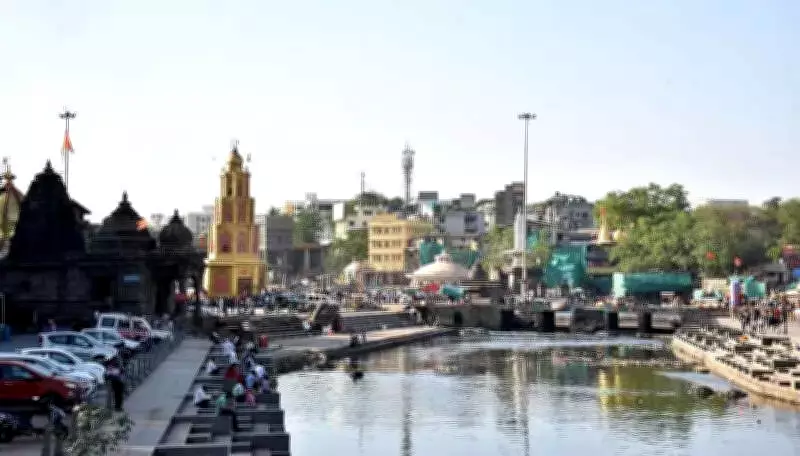
Nashik Municipal Corporation Proposes Daily River Cleanup Ahead of Simhastha Kumbh Mela
The Nashik Municipal Corporation (NMC) has announced a comprehensive plan to enhance the cleanliness of the Godavari River and its key tributaries as part of the city's preparations for the upcoming Simhastha Kumbh Mela. According to an official statement, areas within 100 meters of the banks of the Godavari and its tributaries—Nandini, Waldevi, Waghadi, and Kapila—will be cleaned daily once the initiative receives formal approval.
Proposal Awaits General Body Approval
The civic administration has formally sought permission from the general body for this ambitious cleanup drive. The proposal is scheduled to be tabled at the next general body meeting for discussion and approval, as confirmed by sources familiar with the matter. This step underscores the urgency and importance of the project in ensuring a pristine environment for the religious festival.
Deployment of Contract Workers for River Maintenance
Under the detailed plan, a total of 80 contract workers will be deployed to tackle the accumulation of garbage along the waterbodies. Specifically, 35 workers will be assigned to clean the Godavari waters and its banks, while the remaining 45 will focus on the tributaries. The Godavari stretches approximately 20.5 kilometers within Nashik city limits, and its tributaries collectively span nearly 48 kilometers, highlighting the scale of the cleanup effort required.

Alignment with Bombay High Court Directives
This initiative aligns with a directive issued by the Bombay High Court in December 2018, following a public interest litigation addressing the pollution of the Godavari, the largest river in peninsular India. The court had mandated the civic body to ensure the cleanliness of the river and its tributaries within municipal limits. Key provisions of the directive include a prohibition on dumping ritual waste within 100 meters on both sides of the river and a ban on storing plastic and garbage in the riverbed.
Addressing Pollution Challenges in Nashik
The Godavari and its tributaries flowing through Nashik city face significant pollution challenges due to densely populated settlements along the riverbanks and poor sanitation practices. Officials report that large quantities of sewage, solid waste, and religious materials are routinely dumped into the river and adjacent areas, leading to a deterioration in water quality. The tributaries, which pass through thickly populated neighborhoods, are particularly affected by activities such as washing clothes and dumping garbage, resulting in water contamination, foul odors, mosquito breeding, and health risks for residents.
This cleanup plan represents a critical step toward mitigating these environmental and public health issues, while also enhancing the city's readiness for the Simhastha Kumbh Mela, a major religious event expected to attract millions of pilgrims.






