

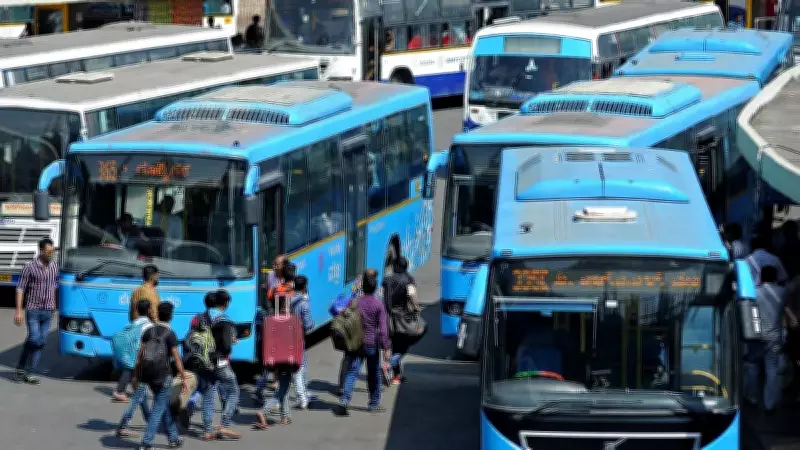
Namma BMTC: The Good and the Gaps in Bengaluru's Bus Network
Bengaluru's public transportation system, centered around the Bangalore Metropolitan Transport Corporation (BMTC), stands as a critical lifeline for millions of residents navigating the city's notorious traffic congestion. As one of India's largest urban bus networks, BMTC plays a pivotal role in daily commutes, yet it faces a complex mix of achievements and ongoing hurdles that shape the passenger experience.
Operational Strengths and Fleet Management
BMTC operates an extensive fleet of over 6,500 buses, serving approximately 5 million passengers daily across a vast network of routes. The corporation has made significant strides in fleet modernization, introducing electric and air-conditioned buses to reduce environmental impact and enhance comfort. Key strengths include:
- Wide Coverage: BMTC's network spans across Bengaluru, connecting peripheral areas to central business districts, which is crucial for a sprawling metropolis.
- Affordable Fares: The service remains relatively economical, offering various pass options that cater to daily commuters and students, promoting accessibility.
- Technological Integration: Initiatives like real-time tracking apps and digital payment systems have improved user convenience, aligning with smart city goals.
Persistent Challenges and Infrastructure Gaps
Despite its scale, BMTC grapples with several persistent issues that affect efficiency and passenger satisfaction. Infrastructure deficits and operational inefficiencies remain prominent concerns.

- Traffic Congestion: Buses often get stuck in Bengaluru's heavy traffic, leading to unpredictable schedules and longer travel times, undermining reliability.
- Inadequate Bus Stops: Many stops lack basic amenities like shelters, seating, and lighting, making waits uncomfortable, especially during monsoons or peak heat.
- Maintenance and Cleanliness: Some buses suffer from poor upkeep, with issues like broken seats and unclean interiors, impacting the overall travel experience.
Connectivity and Last-Mile Solutions
A major gap in BMTC's service is the lack of seamless integration with other transport modes, such as the metro and suburban rail. This disconnect complicates multi-modal journeys and highlights the need for better last-mile connectivity options.
- First and Last Mile: Many commuters struggle to reach bus stops from their homes or destinations, as feeder services and pedestrian infrastructure are often insufficient.
- Route Optimization: Certain areas, especially newer suburbs, experience infrequent or absent bus services, limiting accessibility for growing populations.
- Peak Hour Overcrowding: During rush hours, buses become overcrowded, leading to safety concerns and discomfort, which deters potential riders.
Future Prospects and Passenger-Centric Reforms
To address these gaps, BMTC is exploring reforms like expanding electric bus fleets, improving bus priority lanes, and enhancing digital services. Collaboration with civic authorities for better road infrastructure and integrated ticketing systems could significantly boost efficiency.
In summary, while BMTC provides an essential service with notable strengths in coverage and affordability, bridging the gaps in infrastructure, connectivity, and passenger comfort is crucial for transforming Bengaluru's urban mobility. As the city evolves, a focused approach on these fronts will be key to making Namma BMTC a more reliable and user-friendly transport option for all residents.






