

Madhya Pradesh Cabinet Embraces Heritage Venues for Official Meetings
In a novel initiative, the Madhya Pradesh government has begun holding its cabinet meetings at heritage sites and locations associated with eminent personalities across the state. This move is designed to promote tourism and foster a deeper connection between governance and local cultural heritage.
Strategic Shift in Meeting Venues
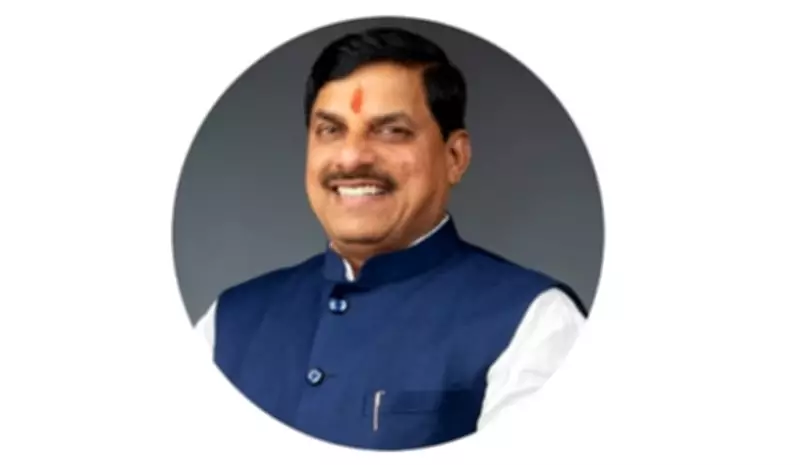
The state cabinet, led by Chief Minister Mohan Yadav, has recently convened sessions at various historical and culturally significant spots. This departure from traditional government buildings aims to highlight Madhya Pradesh's rich history and attract visitors to these sites.
Key objectives of this initiative include:

- Showcasing the state's architectural and historical treasures to a wider audience.
- Generating increased tourist footfall and economic activity in these areas.
- Integrating governmental processes with the cultural identity of the region.
Recent Meetings at Prominent Locations
One of the notable meetings was held at the Sanchi Stupa, a UNESCO World Heritage Site known for its ancient Buddhist monuments. Another session took place in Ujjain, a city famed for its spiritual significance and the Mahakaleshwar Temple.
These venues were chosen not only for their historical value but also to honor the legacy of figures linked to these places, such as scholars, leaders, and saints who have contributed to the state's cultural fabric.
Impact on Tourism and Local Economy
By conducting cabinet meetings at these sites, the government aims to draw attention to lesser-known heritage spots and boost local tourism. This strategy is expected to:
- Enhance the visibility of Madhya Pradesh as a prime tourist destination.
- Support local businesses, including hotels, restaurants, and guides.
- Encourage preservation efforts for historical monuments.
Officials report that this approach has already sparked interest among travelers and history enthusiasts, with early signs of increased visitor numbers to the featured locations.
Future Plans and Broader Implications
The Madhya Pradesh government plans to continue this practice, rotating meetings among various heritage sites across the state. This initiative is part of a larger effort to innovate in governance and make administrative processes more accessible and engaging for the public.
Experts suggest that such measures could set a precedent for other states in India, blending official duties with cultural promotion to achieve multiple developmental goals.






