MCD Announces Historic First Surplus Budget with Comprehensive Revenue Strategy
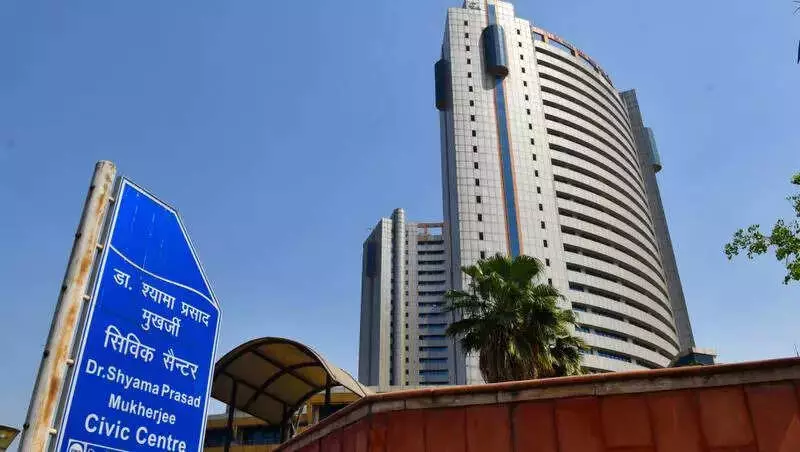
New Delhi: In a significant development for the capital's civic administration, the Municipal Corporation of Delhi (MCD) has signaled a remarkable financial turnaround with the presentation of what officials are calling the civic body's first-ever surplus budget. Standing committee chairperson Satya Sharma unveiled this landmark financial plan on Wednesday, backed by fifteen strategic initiatives specifically designed to strengthen revenue streams and reduce dependency on borrowings.
Financial Projections and Revised Estimates
Sharma revealed that MCD has projected an impressive income of Rs 17,044.06 crore against an estimated expenditure of Rs 16,697.5 crore for the fiscal year 2026–27. This represents a substantial revision from the initial estimates provided by the MCD commissioner, who had proposed an income of Rs 15,664.06 crore and expenditure of Rs 16,530.50 crore. According to Sharma, the corporation will achieve savings of nearly Rs 1,200 crore through various efficiency measures and cost-cutting strategies.
Addressing Historical Financial Challenges
The standing committee chairperson attributed the severe financial crisis that plagued the three erstwhile civic bodies to the division of MCD in 2012 and what she described as neglect by previous governments. Sharma made pointed allegations against political opponents, claiming that the Congress party failed to fully implement the recommendations of the Third Delhi Finance Commission, while the Aam Aadmi Party (AAP) did not implement the Fourth and Fifth Finance Commission reports.

Comprehensive Revenue Enhancement Measures
Property Tax Reforms: Among the most significant revenue-generating initiatives is the comprehensive collection of property tax from all eligible premises. Recovery drives for pending dues are expected to generate an additional Rs 500 crore in 2026-27. Sharma highlighted that property tax reforms under the Suniyo Yojana have already resulted in the collection of over Rs 2,700 crore, marking the highest collection in MCD's history.
Parking Infrastructure Development: The budget proposes developing parking facilities in all major markets, including utilizing leased land where MCD-owned land is unavailable. This initiative is projected to add approximately Rs 30 crore annually to the corporation's revenue.
Advertising and Licensing Reforms: Additional revenue-strengthening measures include reforms in advertising policy, monetization of advertisements at public toilets and cycle stands, and systematic licensing of street vendors and weekly markets.
Sanitation and Environmental Initiatives
Sharma emphasized that sanitation services have been transformed "from a slogan into a daily system" with night cleaning now operational in over 312 markets, along with regular cleaning of roads and drains. To address the critical issue of air pollution, MCD will establish a dedicated group of departments headed by a senior additional commissioner to prepare and monitor comprehensive action plans.
Employee Welfare and Public Services
Recognizing MCD employees as "the backbone of the city," Sharma announced that over 1,300 sanitation workers have been regularized, daily wagers have been absorbed into the system, and salaries and pensions are now being disbursed on time. The budget also prioritizes education and healthcare, with over 4.26 lakh students receiving direct benefit transfers and free textbooks, and Ayushman Arogya Mandirs established for primary healthcare services.
Special Facilities for Journalists
In a notable inclusion, the budget proposes several facilities for journalists, including free parking at MCD sites, dedicated medical windows at civic hospitals, and a pressroom at MCD headquarters to facilitate better media coverage of civic affairs.

Political Reactions and Analysis
The budget announcement has drawn mixed political reactions. AAP leader of opposition in MCD, Ankush Narang, dismissed the budget as "cosmetic and unrealistic," questioning its implementation feasibility. In contrast, Delhi BJP representatives have praised the financial plan, stating that it demonstrates a genuine commitment to public welfare and sustainable civic administration.
This comprehensive budget represents a strategic shift in MCD's financial management approach, focusing on revenue generation, operational efficiency, and enhanced public services while addressing long-standing financial challenges that have affected Delhi's civic infrastructure for years.