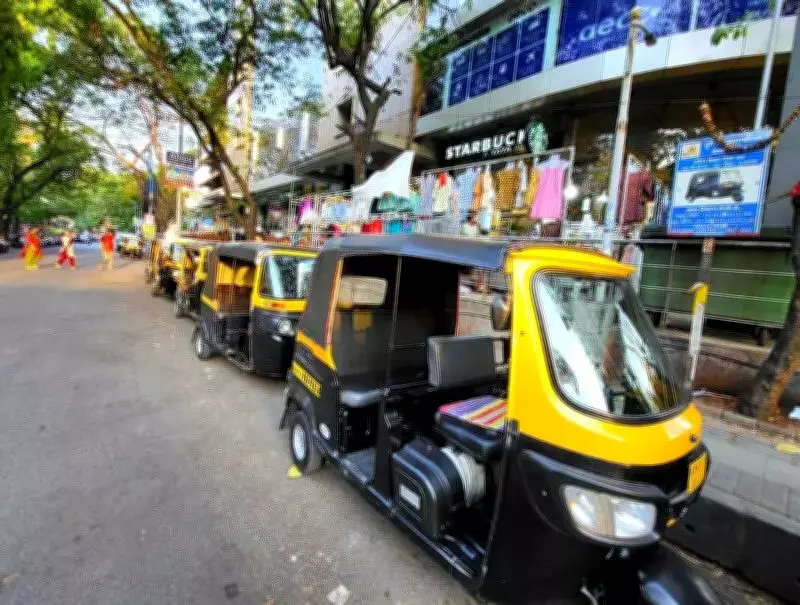
Maharashtra Government Halts Open Autorickshaw Permit System with Immediate Effect
In a significant move aimed at addressing urban traffic challenges, Maharashtra Transport Minister Pratap Sarnaik announced on Monday that the open permit system for autorickshaws across the state has been stopped with immediate effect. This system, which has been operational since 2017, allowed relatively unrestricted issuance of permits for three-wheelers.
Decision Driven by Traffic Congestion and Misuse Concerns
Minister Sarnaik explained that the state government is authorized to implement this decision for cities with populations exceeding five lakhs. "We consulted with the Union transport ministry, and they advised us to proceed, particularly considering the urgent need to control traffic congestion," he stated. The minister emphasized that the department has received numerous complaints regarding permit misuse.
"There have been reports of multiple members from single families obtaining permits, and even illegal Bangladeshi nationals owning such documents," Sarnaik revealed. He assured that proper rules and regulations for obtaining permissions in specific cases would soon be formulated and presented to the cabinet for approval.

Impact on Existing Auto Operations and Registration Numbers
According to data from the Vahan portal of the transport ministry, Maharashtra currently has approximately ten lakh registered autorickshaws. This includes around 1.4 lakh under the Pune Regional Transport Office (RTO) and 50,500 under the Pimpri Chinchwad RTO. The existing system permitted anyone with an autorickshaw to apply for a permit, subject to RTO verifications.
Nitin Pawar, president of the Rickshaw Panchayat, commented on the change: "Now, RTOs will not issue permits to new autorickshaw buyers, preventing them from operating legally. The 2017 open system was introduced to boost employment, but we now face a problem of plenty. We have long awaited this rule change, and it is a welcome step."
Perspectives from Auto Unions and Commuters
Keshav Kshirsagar, president of Baghtoy Rickshawaala, highlighted operational challenges: "Excessive autorickshaws lead to traffic congestion, and instances of ride refusals and poor behavior are increasing. Most drivers struggle with inadequate income due to vehicle oversaturation, forcing them to prioritize longer rides and decline short distances." He noted that many drivers average only two to three trips daily, compounded by high CNG prices, creating financial pressure.
However, commuters like Rajesh Pradhan, a resident of Kothrud, express skepticism: "The number of autorickshaws won't decrease. With nearly two lakh autos in Pune alone, commuters already bear the brunt of congestion and unfair practices. Drivers employ illegal tactics to overcharge passengers, and RTO authorities often fail to take action. I doubt this decision will bring substantial change."
Streamlining Processes and Future Coordination
The transport department has instructed all RTOs to cease issuing open permits immediately. Minister Sarnaik affirmed that the new streamlined process would enhance coordination among authorities and help manage road congestion more effectively. The government's focus is now on developing a regulated framework that balances livelihood opportunities with urban mobility needs, ensuring that autorickshaw operations contribute positively to Maharashtra's transportation ecosystem without exacerbating existing traffic issues.