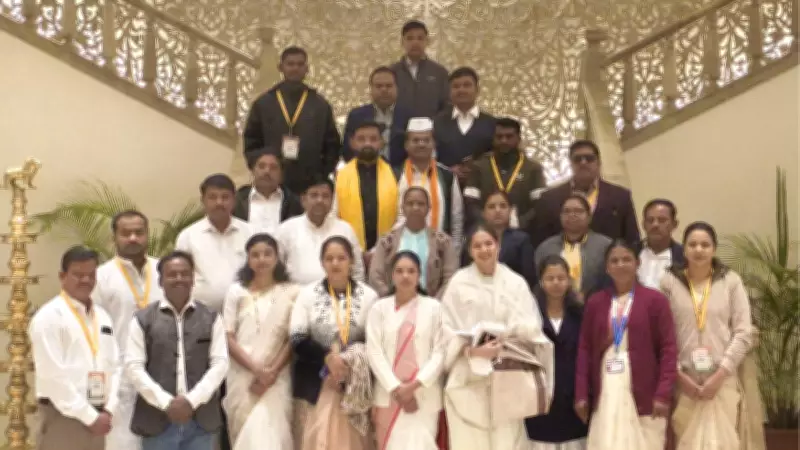
In a remarkable celebration of grassroots governance, sixteen sarpanches from Maharashtra, along with their spouses, were invited as special guests to the 2026 Republic Day parade on Kartavya Path in New Delhi. This initiative, spearheaded by the Union Ministry of Panchayati Raj, aimed to highlight the pivotal role of gram panchayats in implementing flagship welfare schemes at the village level.
Selection Based on Exemplary Village Work
The Ministry of Panchayati Raj extended invitations to gram panchayat heads from across India, focusing on those who demonstrated outstanding performance in key developmental themes. These included creating poverty-free villages, promoting women-led governance, ensuring cleanliness and robust water supply systems, fostering child-friendly environments, and achieving self-sufficiency in gram panchayats.
Maharashtra's Delegation Details
The delegation from Maharashtra, nominated by the state's Rural Development Department, comprised representatives from diverse districts such as Solapur, Satara, Thane, Raigad, Ratnagiri, Sindhudurg, Ahilyanagar, Jalgaon, Dhule, Dharashiv, Nanded, Chandrapur, Gadchiroli, Bhandara, Wardha, and Yavatmal. Each sarpanch was accompanied by their spouse, emphasizing the inclusive nature of the program. Led by nodal officers Amar Dhale and Sujata Adawade from the Panchayati Raj Department, the delegation totaled 33 participants from the state.

Emotional and Proud Moments for Village Leaders
Amar Dhale explained that the selection process was meticulously coordinated at the state level, with each elected sarpanch given the opportunity to attend alongside their spouse. Prior to the visit, multiple online briefing sessions were conducted to prepare participants for the program schedule. Accommodation was arranged at Maharashtra Sadan in New Delhi, and passes were managed efficiently at the state level.
Witnessing the Republic Day Parade from a special enclosure proved to be an emotional highlight for many sarpanches. Dhale noted that it brought village-level leadership to the national stage, with participants expressing immense pride and gratitude, describing it as a once-in-a-lifetime experience.
Inspiring Stories from the Sarpanches
Upon returning from Delhi, Vinod Khavle, sarpanch of Sajgaon village in Raigad district, attributed their selection to consistent development efforts. "For two consecutive years, we excelled under the Vasundhara campaign and the Chief Minister’s Samruddhi Scheme," he said. His gram panchayat is recognized for initiatives in women empowerment, Swachh Ghar Yojana, tree plantation, solar energy projects, and operating a nursery. Khavle praised the arrangements in Delhi and the support from officers, adding, "Watching the Prime Minister and the President from close quarters is an experience I will cherish forever."
Chandrabhaga Jadhav, sarpanch of Tondli village in Ratnagiri, shared that her village has elected its gram panchayat unopposed for over two decades. "Since 2017, I have served as sarpanch for two consecutive terms," she said. With support from women's self-help groups and local officials, they implemented the Chief Minister’s Samruddha Panchayat Raj Abhiyan, undertaking projects like vanrai bandharas (check dams). "Being invited to Delhi was a proud moment for a farmer’s daughter like me. Seeing the Panchayati Raj and Maharashtra’s Ganeshotsav tableaux brought immense joy. Experiencing in person what we had only seen on television felt truly wonderful," she added.
Chandrakant Ingale, sarpanch of Shiroli village in Yavatmal, highlighted their focus on women-led development, rainwater harvesting, health awareness, and strengthening self-help groups. "Our women’s groups started a turmeric processing enterprise, becoming a model for local livelihood generation," he said. Ingale commended the smooth arrangements in Delhi and expressed pride in representing his village at the parade.
Spotlight on Grassroots Governance
This initiative underscores the Centre's commitment to recognizing and empowering grassroots leaders who drive transformative change in rural India. By bringing sarpanches to the national stage, it not only honors their hard work but also inspires other villages to emulate their success in governance and community development.