Lucknow Municipal Corporation Unveils Comprehensive Budget Plan for 2026-27
The Lucknow Municipal Corporation (LMC) is poised to present a substantial budget proposal exceeding Rs 2,200 crore for the fiscal year 2026-27, with a strong emphasis on enhancing urban infrastructure and essential services. According to official sources, the budget has been meticulously crafted to address the city's growing needs, particularly in an election year context.
Key Financial Allocations and Priorities
The proposed budget, pegged at Rs 2,278.34 crore, received in-principle consent during a recent meeting chaired by the municipal commissioner. This financial blueprint focuses heavily on critical urban services, with road infrastructure emerging as one of the largest expenditure categories.
Major allocations include:
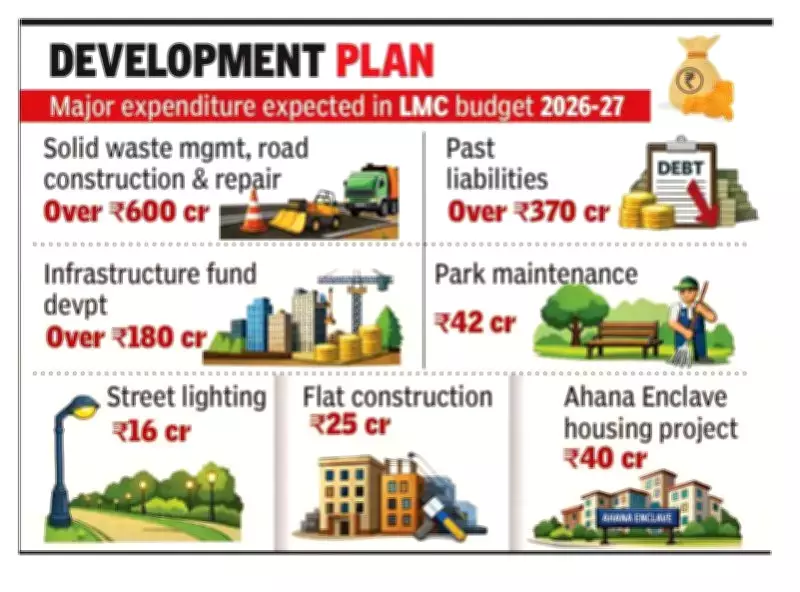
- Road Development: A substantial Rs 326.40 crore has been proposed for both the construction of new roads and the maintenance of existing ones. Additionally, Rs 20 crore has been earmarked under the CM Grid Scheme specifically for select corridors, highlighting the administration's commitment to improving transportation networks.
- Solid Waste Management: Reflecting a continued emphasis on sanitation and environmental sustainability, Rs 300 crore has been allocated for solid waste management projects. This significant investment aims to enhance waste-handling systems across the city.
- Urban Maintenance: The budget includes increased funding for park maintenance, rising from Rs 38.38 crore to Rs 42 crore, with Rs 6 crore specifically designated for painting and beautification works. Street lighting receives Rs 16 crore, supplemented by Rs 6 crore for repairs and Rs 6.5 crore for procuring lighting equipment and materials.
Additional Infrastructure and Development Initiatives
Beyond core services, the budget encompasses various other development projects aimed at improving civic amenities and residential infrastructure.
- Housing Projects: A sum of Rs 25 crore is proposed for flat construction, while Rs 40 crore has been earmarked to complete the multi-storey housing project at Ahana Enclave, addressing housing needs in the city.
- Civic Construction and Security: The budget allocates Rs 7 crore for new civic construction projects and Rs 5 crore for the repair of municipal buildings. Additionally, Rs 10 crore is proposed for municipal land surveys and the construction of boundary walls to secure civic properties.
- Infrastructure and Vending Zones: Development works worth Rs 180 crore are planned through the Infrastructure Fund. The allocation for model vending zones has been increased from Rs 10 crore to Rs 15 crore, aimed at expanding organized vending spaces and improving urban management.
Financial Management and Liabilities
The budget also addresses financial obligations with careful planning. A provision of Rs 370 crore has been made towards past dues and committed payments, ensuring that outstanding liabilities are managed effectively. However, allocations for payments to executing agencies have been reduced from Rs 130 crore in the revised budget to Rs 100 crore, indicating a strategic adjustment in expenditure.
Notably, the allocation for drain cleaning remains unchanged at Rs 15 crore, suggesting a stable approach to this aspect of urban maintenance.
Approval Process and Revised Budget Considerations
The LMC House and its Executive Committee have scheduled meetings for February 21 and February 22, respectively, to deliberate on these proposals. While the House will consider the revised Budget for the current financial year 2025-26, the Executive Committee will take up the original Budget for 2026-27.
The revised budget of Rs 2,266.24 crore for 2025-26 will be placed before the House on February 21 for final approval. This revision, already cleared by the Executive Committee, accounts for departmental spending, revenue receipts, and allocations for ongoing projects, incorporating changes such as fund re-appropriations and updated expenditure projections.
Following the tabling of the budget, members of the House are expected to engage in discussions, seek clarifications on allocations, fund utilization, and outstanding liabilities, before putting the document to a vote. This process marks the final stage of the financial approval mechanism, ensuring thorough scrutiny of the proposed expenditures.