

Union Cabinet Approves Five-Year Extension of IVFRT Immigration Scheme
The Union Cabinet has granted approval for the continuation of the Immigration, Visa, Foreigners Registration and Tracking (IVFRT) scheme for an additional five-year period starting from April 1, 2026. This extension comes with a substantial budget outlay of Rs 1,800 crore and represents a strategic move to enhance border management capabilities while simultaneously improving services for legitimate foreign travelers entering India.
Building on Existing Digital Infrastructure
This decision constitutes an extension rather than a fresh approval of the project, building upon the existing digital immigration platform that has been operational for over a decade. The integrated framework interlinks visa issuance, immigration clearance, and foreigners' registration functions within a secure technological architecture. Originally cleared in 2010 and extended through subsequent phases, the initiative aims to modernize India's immigration processes in alignment with evolving travel demands and emerging security challenges.
According to government officials, the next phase will concentrate on expanding the system's scope and capacity through the adoption of "state-of-the-art technological solutions" and comprehensive infrastructure revamping while maintaining robust security protocols. This continuation follows the enactment of the Immigration and Foreigners Act, 2025, which has created increased demand for a more resilient and technologically advanced immigration ecosystem.

Three-Pronged Modernization Strategy
The extended IVFRT scheme will focus on three broad strategic areas:
- Emerging Technology Innovations: Implementation of cutting-edge technological solutions
- Transformation of Core Infrastructure: Comprehensive overhaul of existing systems
- Optimization of Technology-Enabled Service Delivery: Enhanced efficiency in service provision
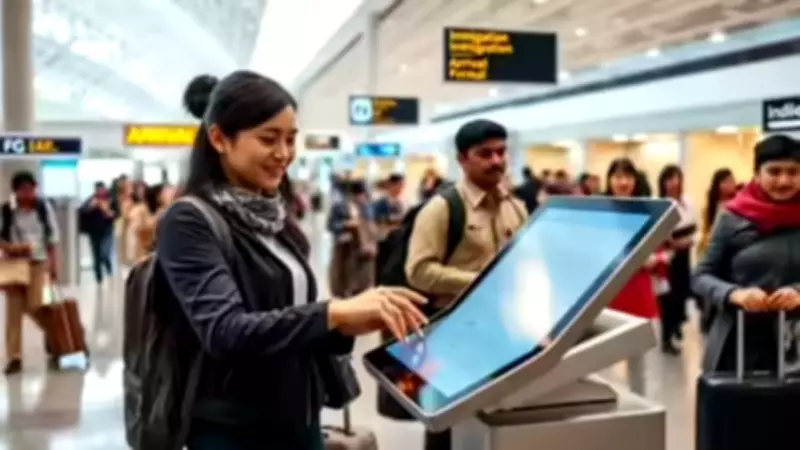
Officials detailed that the modernization efforts will incorporate mobile-based services, self-service kiosks, unified digital platforms, and upgraded data centers to ensure seamless passenger movement and real-time data sharing among authorized agencies. This technological upgrade aims to create a more efficient and user-friendly immigration experience while maintaining stringent security standards.
Measurable Improvements and Expanded Coverage
The government highlighted that IVFRT has already delivered significant improvements in visa processing and immigration clearance over the past decade. The system has enabled a 100% contactless and faceless visa process with comprehensive online appointment scheduling and payment facilities. Notably, over 91% of e-visa applications have been processed within 72 hours in recent years, demonstrating substantial efficiency gains.
Average passenger clearance time at immigration checkpoints has been reduced to approximately 2.5-3 minutes, including biometric verification, compared to the previous 5-6 minutes under manual processes. At selected airports, automated e-gates under the Fast Track Immigration-Trusted Traveller Programme have further accelerated clearance times to about 30 seconds for eligible travelers.
The platform's coverage has expanded significantly, now encompassing:
- 117 immigration posts across the country
- 15 Foreigners Regional Registration Offices
- 854 district-level registration authorities
This extensive network enables wider digital integration of immigration-related services throughout India's administrative framework.
Broader Economic Implications and Strategic Transformation
Officials emphasized that the continuation of IVFRT is expected to generate broader economic benefits by facilitating international mobility and improving ease of doing business. Enhanced service delivery and security assurance are projected to positively impact multiple sectors including tourism, aviation, hospitality, trade, and medical travel.

The government characterized this modernization drive as "not just a technical upgrade, but a strategic transformation" aimed at establishing a world-class immigration and visa system while supporting economic growth and employment generation. Over time, the platform has evolved from offering only a handful of digital services to providing more than 30 immigration-related services, reflecting the growing scale and sophistication of India's immigration management framework.
The extended phase is anticipated to deepen this transition by further integrating processes and enhancing user experience without compromising national security objectives. This comprehensive approach represents India's commitment to balancing security concerns with the facilitation of legitimate international travel and commerce.





