

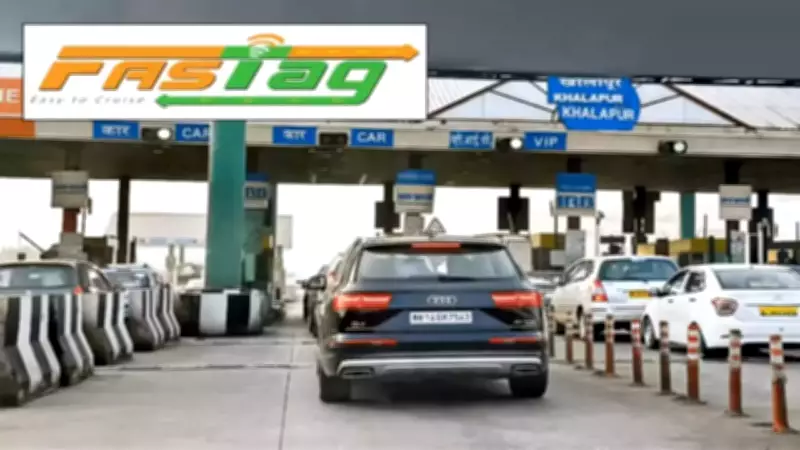
India Tightens Toll Collection Rules with New FASTag Regulations
The Government of India has significantly strengthened the regulatory framework governing toll collection on national highways across the country. This move introduces a more rigorous system to address instances where FASTag payments are missed, aiming to enhance compliance and streamline revenue collection.
Formal Definition of "Unpaid User Fee"
Central to these updated regulations is the official establishment of the term "unpaid user fee." This refers specifically to a toll charge that remains outstanding despite a vehicle's passage being successfully recorded through electronic toll collection systems. The Ministry of Road Transport and Highways has formally notified the National Highways Fee (Determination of Rates and Collection) (Second Amendment) Rules, 2026, which took effect from March 17, 2026.
Common Causes of Missed FASTag Payments
Such unpaid fees can occur due to various practical reasons, including insufficient balance in the FASTag account, technical malfunctions within the electronic systems, or camera-based detection systems recording a vehicle's passage without a corresponding successful transaction. To systematically recover these pending amounts, the government has implemented a technology-driven electronic notice system.

E-Notice System and Penalty Structure
When a toll payment is missed, the registered owner of the vehicle will receive an electronic notice containing detailed information such as:
- The vehicle registration number
- The specific date and location of travel
- The exact amount due for payment
These notices will be disseminated through multiple channels including SMS, email, dedicated mobile applications, and a designated online portal for accessibility.
One of the most significant changes introduced is the revised penalty structure. If a user fails to pay the toll and does not respond within the stipulated timeframe, the payable amount escalates to twice the original toll fee. However, the system incorporates a relief mechanism: if the pending amount is settled within 72 hours of receiving the e-notice, the user is only required to pay the original toll amount without incurring any additional penalty.
Grievance Redressal and Enforcement Mechanisms
The updated rules also include provisions for grievance redressal to ensure fairness. If a vehicle owner believes that a notice has been issued incorrectly, they have the right to file a formal complaint through the official portal within 72 hours. Authorities are mandated to examine and resolve such cases within a period of five days. If no action is taken within this timeframe, the claim for the unpaid fee will automatically lapse.
For instances where dues remain unpaid beyond 15 days and no dispute is under active review, the outstanding amount will be officially recorded in the VAHAN database. This registration could lead to restrictions on various vehicle-related services until the outstanding toll is fully cleared, serving as a strong enforcement measure.
These comprehensive regulations represent a significant step toward modernizing India's highway toll collection infrastructure, promoting digital payments, and ensuring greater accountability among road users.






