

Iran Intensifies Gulf Offensive with Coordinated Strikes on Energy Infrastructure
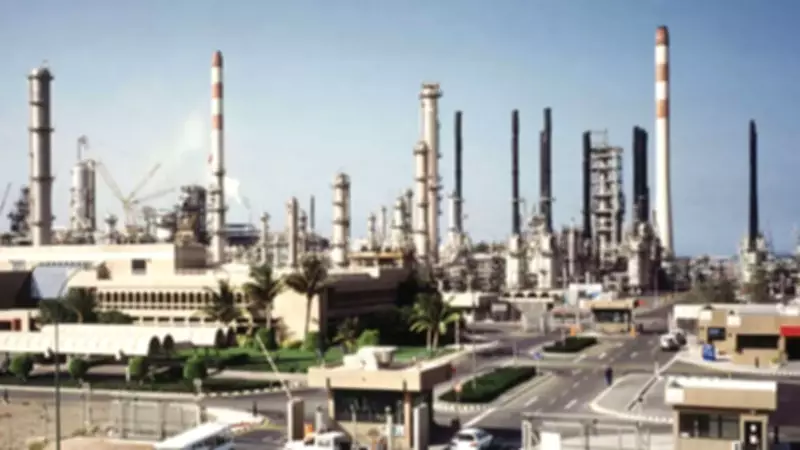
In a dramatic escalation of regional hostilities, Iran executed a series of targeted attacks on critical energy installations across the Gulf on Thursday. The assault notably struck the SAMREF refinery in Saudi Arabia, a significant joint venture operated by Saudi Aramco and ExxonMobil, signaling a direct challenge to international energy interests.
Widespread Damage and Retaliatory Strikes Across the Region
The offensive was not isolated to Saudi Arabia. Iranian forces simultaneously targeted liquefied natural gas facilities in Qatar and set fire to two major oil refineries in Kuwait. This multi-pronged attack represents a calculated response to an earlier Israeli military strike on Iran's primary South Pars gas field, which Tehran condemned as a provocation with global ramifications.
Iranian President Masoud Pezeshkian issued a stark warning following the South Pars incident, cautioning that the conflict could spiral into "uncontrollable consequences" with the potential to "engulf the entire world." The Gulf attacks underscore Iran's willingness to leverage its regional position to retaliate against perceived aggressions.

Immediate Economic Fallout and Soaring Global Fuel Prices
The immediate economic impact has been severe and far-reaching. Global fuel markets reacted violently to the news, with Brent crude oil prices skyrocketing to $114 per barrel. This represents an astonishing increase of more than 57 percent since the initial coordinated attacks by Israel and the United States on Iranian targets on February 28.
Saudi Arabia had previously initiated contingency measures by redirecting substantial oil volumes westward through the Red Sea, attempting to circumvent the strategically vulnerable Strait of Hormuz. However, this alternative route faced immediate disruption when an Iranian drone successfully hit the SAMREF refinery located in Yanbu, demonstrating Tehran's capacity to threaten multiple logistical channels.
Regional Condemnation and Shattered Diplomatic Trust
The Gulf Cooperation Council states responded with unified condemnation. Saudi Arabia, Qatar, and the United Arab Emirates jointly denounced the attacks as destabilizing acts of aggression. Saudi Arabia's top diplomat delivered particularly forceful remarks, stating that strikes on the kingdom's territory meant "what little trust there was before has completely been shattered," indicating a profound deterioration in already tense regional relations.
Despite these warnings, Iran showed no indication of de-escalation. Saudi Arabian defense systems reported intercepting six drones over Riyadh and the Eastern Province prior to confirming the successful strike on the SAMREF refinery, highlighting the persistent and evolving nature of the threat.
International Reactions and Ominous Warnings from Washington
In Washington, former President Donald Trump addressed the escalating crisis through social media, asserting that Israel would refrain from launching another attack on South Pars. However, he issued a grave ultimatum directed at Tehran, warning that if Iran continued its assaults on Qatar's energy infrastructure, the United States would retaliate decisively and "massively blow up the entirety" of the strategic gas field.
Trump expressed reluctance to authorize such extreme measures, citing concerns about "the long-term implications that it will have on the future of Iran," but his statement underscored the high-stakes nature of the confrontation and the potential for further international involvement.
The coordinated nature of Iran's Gulf attacks, combined with the severe economic repercussions and deteriorating diplomatic relations, marks a dangerous new phase in the ongoing regional conflict, with global energy security hanging in the balance.






