In a remarkable citizen-led initiative, a 29-year-old data enthusiast has meticulously mapped India's National Highway 66, often dubbed the country's most dangerous road. This project sheds stark light on the perilous conditions, accident hotspots, and systemic safety failures plaguing this crucial coastal corridor.
The Man Behind the Map: A Personal Mission
The project was spearheaded by Rohan Kini, a Bengaluru-based professional working in the public policy and data sector. His motivation was deeply personal. Having grown up in Udupi, Karnataka, along the NH-66 route, Kini witnessed the highway's deadly reputation firsthand. The final push came in December 2023 when a tragic accident claimed the life of a young professional from his community. This incident propelled him to move beyond anecdotal evidence and build a comprehensive, data-driven picture of the highway's dangers.
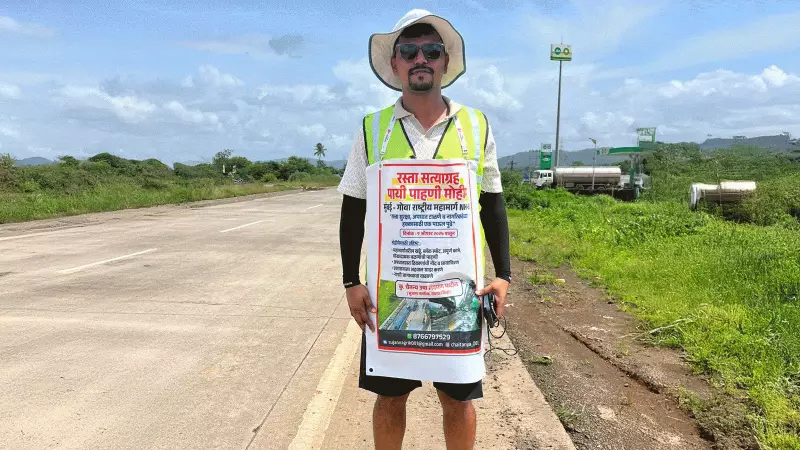
Kini embarked on a meticulous process. He scraped and analyzed five years of accident data from the Ministry of Road Transport and Highways (MoRTH) for the period 2017-2021. To add crucial context, he physically traversed sections of the highway, noting design flaws, lack of signage, and hazardous spots. The result is an interactive map and a detailed report that quantifies the risk on NH-66.

Shocking Revelations: What the Data Shows
The findings are alarming. The analysis reveals that NH-66 witnesses a fatal accident approximately every two days. Stretching over 1,600 kilometers from Panvel in Maharashtra to Kanyakumari in Tamil Nadu, the highway traverses four states: Maharashtra, Goa, Karnataka, and Kerala. The data pinpoints specific districts as extreme danger zones.
Dakshina Kannada in Karnataka emerged as the most fatal district along the entire route, recording a staggering 399 deaths in the five-year period. Other high-fatality districts include Kozhikode in Kerala, Udupi in Karnataka, and Ratnagiri in Maharashtra. The report highlights that a significant portion of these accidents are head-on collisions, pointing directly to faulty road design, including inconsistent median openings, poor lane discipline, and a lack of proper dividers.
Beyond the numbers, Kini's ground observations catalog critical infrastructure failures. These include:
- Absence of street lighting on high-speed stretches.
- Poorly designed or non-existent pedestrian crossings near populated areas.
- Dangerous median cuts that allow erratic U-turns.
- Inadequate signage and faded road markings.
Beyond Data: Advocacy and the Path Forward
Rohan Kini's project is more than just an exposé; it's a tool for advocacy. He has shared his detailed findings with relevant authorities, including the National Highways Authority of India (NHAI) and state police departments. The goal is to push for evidence-based interventions. His recommendations are clear and actionable.
Firstly, he urges authorities to audit and standardize design elements across all four states, ensuring consistent safety features. Secondly, he calls for immediate attention to the identified black spots with engineering solutions like installing proper medians, rumble strips, and lighting. Thirdly, he emphasizes the need for better real-time data collection on accidents to allow for dynamic responses.
The mapping of NH-66 stands as a powerful example of how citizen journalism and data science can hold a mirror to critical public infrastructure issues. It transforms local grief and frustration into a compelling, fact-based case for change. While the highway is vital for connectivity and trade along India's western coast, Rohan Kini's work underscores that its development cannot come at the continued cost of hundreds of lives every year. The ball is now in the court of policymakers and highway authorities to act on this blueprint for a safer NH-66.