A prominent civil society group in Goa has formally challenged a state government directive forcing consumers to move their electricity meters to outside locations. The Citizens for Democracy Goa has submitted a detailed petition to the Chief Electrical Engineer, arguing the order is illogical, invasive, and financially burdensome.
Smart Meters Make Physical Access Redundant, Says Petition
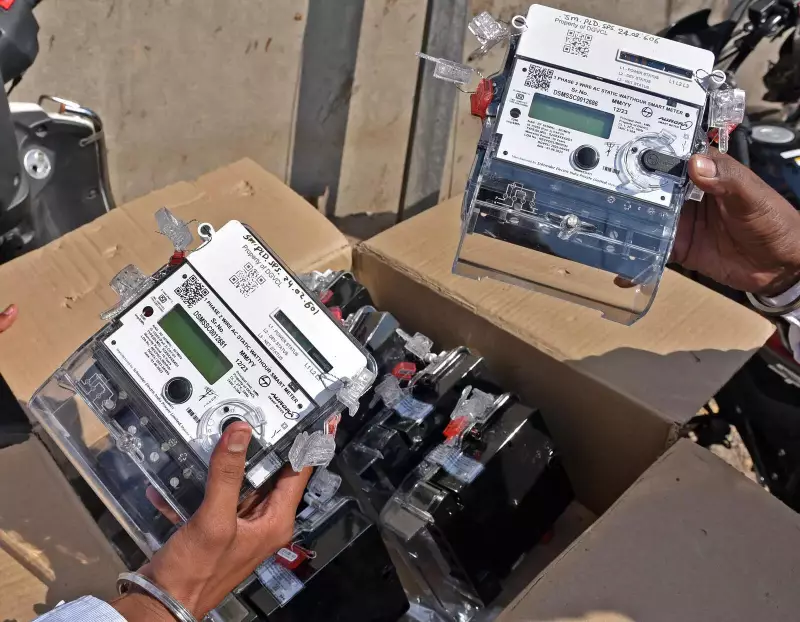
The core argument from the NGO hinges on the government's own push for smart meter technology. The petition points out that these advanced meters are designed to transmit data remotely, eliminating the need for physical readings. "It is completely illogical to demand physical access to meters that the department itself intended to automate," the petition states. They assert that the mandate to move meters outside directly contradicts the purpose of installing smart meters in the first place.
Beyond redundancy, the group raises a significant alarm about data privacy. They highlight that smart meters record energy consumption at extremely granular intervals—every 15 minutes. This detailed data can paint an intimate picture of a household's daily life, revealing occupancy patterns, daily routines, and even specific appliance usage.

Invoking Supreme Court Ruling on Privacy and Financial Burden
Citing the Supreme Court's historic Puttaswamy judgment, which upheld the right to privacy as a fundamental right under Article 21 of the Constitution, the petition demands clarity. The NGO insists that a clear and robust data privacy policy must be established and made public before any such directive is implemented. "There is zero transparency about where this sensitive behavioural data will be stored, who can access it, or if it might be sold to third-party marketing agencies," the petition warns.
The financial impact on ordinary citizens is another major concern. The organisation estimates that the rewiring work required to shift meters could cost each consumer between Rs 5,000 and Rs 15,000, a substantial strain on household budgets. Furthermore, they question the logic of spending public money to automate meters while simultaneously making taxpayers bear the cost of moving them, calling it a "double burden" on the public.
Proposed Solutions and Demands
Instead of the current mandate, Citizens for Democracy Goa has proposed practical alternatives. They suggest the development of a self-reading mobile application that would allow consumers to simply upload a photo of their meter reading. They have also demanded a provision for consumers to opt out of smart meter installation entirely if they have privacy concerns.
The group's immediate demands are clear: an immediate suspension of the meter-shifting order and the associated threats of disconnection for non-compliance. They insist that any such policy must first undergo a thorough and transparent public consultation process, addressing the valid issues of privacy, cost, and employment for meter readers before proceeding.