

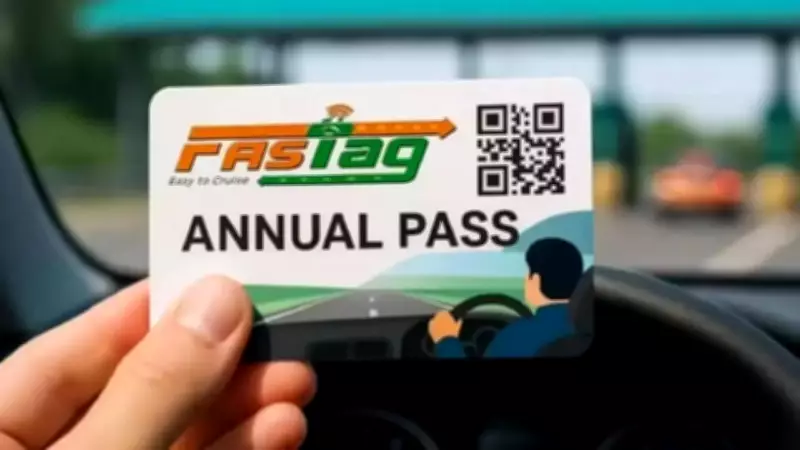
FASTag Annual Pass Price Revised to Rs 3,075 from April 2026
The National Highways Authority of India (NHAI) has announced a significant update regarding the FASTag system, which is rapidly becoming an indispensable component of highway travel across the country. According to an official post on X (formerly Twitter), the price of the FASTag annual pass will be revised from the current Rs 3,000 to Rs 3,075, effective from April 1, 2026. This adjustment marks a slight increase for the financial year 2026-27, drawing renewed attention to how this innovative toll payment system operates and the advantages it offers to millions of road users.
Transforming Toll Payments: From Long Queues to Seamless Travel
FASTag is fundamentally changing the way people pay toll charges on Indian highways, moving away from the traditional model of standing in long lines with cash. The small sticker affixed to vehicle windshields utilizes Radio Frequency Identification (RFID) technology to enable seamless communication with scanners at toll plazas. When a vehicle approaches a booth, the scanner automatically reads the tag and deducts the toll amount from a prepaid or linked account, typically within just a few seconds. This process often allows vehicles to pass through without coming to a complete halt, significantly reducing congestion and improving traffic flow on major routes where delays were once commonplace.
Understanding the FASTag Annual Pass and Its Benefits
The revised annual pass, priced at Rs 3,075 from April 2026, provides users with up to 200 trips or validity for one year, whichever occurs earlier. This pass brings several practical advantages that enhance daily travel experiences:

- Near Non-Stop Movement: Vehicles can pass through toll plazas with minimal stopping, drastically cutting down waiting times.
- Cashless Convenience: Eliminates the need to carry cash or worry about exact change, as all transactions are handled electronically.
- Reduced Congestion: Contributes to shorter commute times by easing traffic bottlenecks at toll booths, particularly noticeable on busy stretches.
- Transaction Transparency: Users can access detailed toll transaction statements online or via email, offering better control and visibility over expenses.
How to Recharge Your FASTag: Online and Offline Methods
Recharging a FASTag is straightforward and can be done through multiple channels, with digital methods being preferred for their speed and ease of tracking. Here are the primary options:
Online Recharge Methods:
- Mobile Banking Apps: Many banks that issue FASTags allow direct recharge through their dedicated apps. Users simply log in, select the FASTag section, enter vehicle or tag details, and add funds.
- Payment Apps: Platforms like Paytm or Airtel Payments Bank offer dedicated sections for FASTag recharge. Navigate to the 'recharge' or 'bill payments' section, select the FASTag option, enter your vehicle registration number or FASTag ID, specify the recharge amount, and proceed with payment using your preferred method.
Offline Recharge Methods:
- Point-of-Sale (POS) terminals set up at all National Highway toll plazas.
- Over 40,000 POS locations operated by 26 member banks across the country.
- Selected branches of the 26 certified banks, Regional Transport Offices (RTOs), and various transport hubs.
Support Systems and Issue Resolution for FASTag Users
While the FASTag system is largely efficient, occasional issues may arise, such as tags not being read correctly, incorrect deductions, or problems at toll plazas. To address these concerns, NHAI has established a dedicated helpline at 1033. Users can report a range of issues, including wrongful blacklisting of tags, toll booths not accepting FASTags, and complications with monthly pass issuance. This support mechanism ensures that any disruptions are promptly resolved, maintaining the reliability of the cashless toll payment ecosystem.

The introduction of the revised annual pass pricing from April 2026 underscores the ongoing evolution of FASTag as a cornerstone of modern highway infrastructure in India. By streamlining toll payments and reducing traffic congestion, it continues to enhance the travel experience for commuters and commercial vehicles alike, paving the way for a more efficient and connected transportation network.





