

Economic Survey Applauds Odisha's Multi-Sectoral Development Models
The latest Economic Survey has singled out Odisha for its comprehensive and replicable development initiatives across several key sectors. The survey particularly praised the state's skilling ecosystem, its institutionalised approach to climate adaptation through water governance, and its innovative mechanisms for alumni engagement in higher education. These models, the survey suggests, offer valuable blueprints for other Indian states to emulate.
Odisha's Three-Pronged Skill Transformation Strategy
The survey detailed how Odisha's journey in skill transformation began with the establishment of the Odisha Skill Development Authority (OSDA) in 2016. Guided by the mission "Skill in Odisha", the state adopted a strategic three-pronged approach:
- Fix: Revitalising underutilised Industrial Training Institutes (ITIs) and addressing poor infrastructure.
- Accelerate: Expanding short-term training programmes to quickly upskill the workforce.
- Scale: Setting up advanced training institutes to build capacity for future demands.
This holistic strategy successfully converged skill initiatives across various government departments, ensured adherence to quality standards, and promoted inclusivity and scalability. To reshape perceptions of vocational education, the state launched impactful campaigns showcasing alumni success stories, including those of women and entrepreneurs. Initiatives like ITI fests, new uniforms, and providing global exposure further enhanced the appeal and credibility of vocational training in Odisha.

Global Partnerships and World-Class Infrastructure
Odisha's commitment to excellence in skilling is evident in its international collaborations. The state partnered with Singapore's Institute of Technical Education – Education Services (ITEES) to establish world-class training institutes. A flagship project, the Odisha World Skill Centre in Bhubaneswar, inaugurated in 2021, offers scholarships and advanced training in engineering and service sectors. It also includes comprehensive teacher training programmes to build a robust faculty pipeline.
Institutionalising Climate Adaptation Through Water Governance
On the climate front, the Economic Survey highlighted Odisha's institutionalised model of adaptation, primarily through community-driven water governance. The state has empowered over 39,000 pani panchayats, ensuring the active inclusion of women and marginalised groups in water management decisions.
A key project, the Odisha Integrated Irrigation Project for Climate Resilient Agriculture, upgraded 538 minor irrigation systems across 15 districts, directly benefiting 1,25,000 households. By integrating modern irrigation techniques with sustainable agriculture and aquaculture practices, the project delivered remarkable outcomes:
- A 28.8% increase in water productivity.
- A 67.8% rise in overall agricultural output.
- An impressive 105% growth
- A 27% boost in household incomes for participating families.
Furthermore, the survey lauded the state's urban waste management efforts under the 2023 mission "Garbage-Free Urban Odisha". This initiative combines advanced bio-mining technologies, meticulous institutional planning, and active community participation to effectively tackle the challenge of legacy waste.
Innovative Alumni Engagement and Broader Economic Initiatives
The survey also commended Odisha's Mo College initiative, a unique programme designed to deepen alumni engagement with higher education institutions, fostering a culture of mentorship and philanthropy. Other notable initiatives praised include:

- Tribal farming programmes that have significantly raised rural incomes.
- A forward-looking semiconductor manufacturing and fabless policy, expected to strengthen domestic capabilities and position India as a competitive global player in the semiconductor sector.
Chief Minister Hails State's Steady and Inclusive Growth
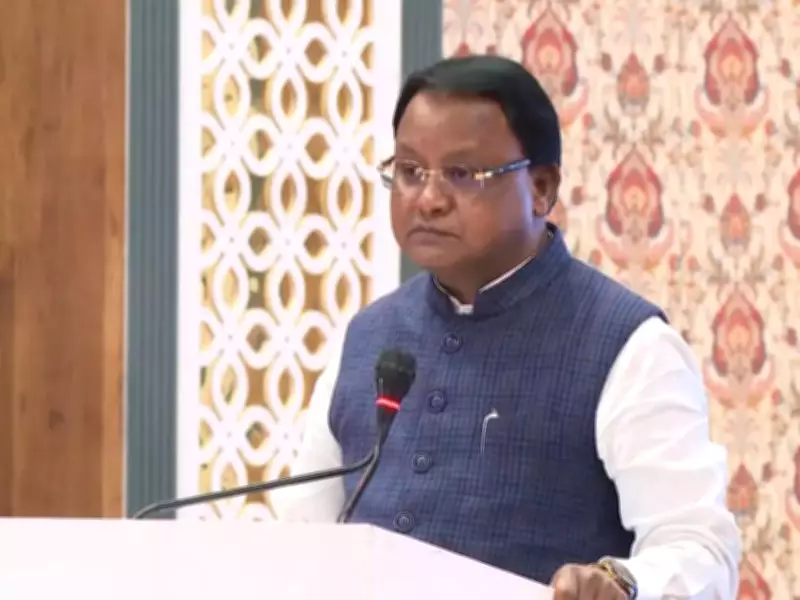
Reacting to the survey's findings, Chief Minister Mohan Charan Majhi stated that it reaffirms the steady progress Odisha is making towards inclusive and sustainable growth. He highlighted key economic indicators in a post on X:
"I am pleased to note that Odisha's Net State Domestic Product increased from Rs 6.99 lakh crore in 2023-24 to an estimated Rs 7.90 lakh crore in 2024-25, with growth accelerating to 13.04 per cent. Per capita NSDP reached Rs 1,68,966, reflecting rising incomes and improved living standards for our people," Majhi posted.
The Chief Minister emphasised that agriculture remains a cornerstone of the state's development strategy, with Odisha now ranking among the top-three sunflower-producing states in the country. He also noted deepening financial inclusion, as bank deposits rose to Rs 5.83 lakh crore, strengthening the savings and investment ecosystem across the state.
"Our government remains firmly committed to translating this growth into higher incomes, quality employment, and improved opportunities for every Odia," the CM added, underscoring the administration's focus on equitable development.





