Remote Maharashtra Villages Make Sacrifice to Help Urban Residents
In an extraordinary display of community spirit and environmental consciousness, at least 300 families across three remote villages in Dhule's Sakri taluka have made a collective decision that is resonating across Maharashtra. These families have voluntarily stepped away from LPG consumption for the next six months, choosing instead to depend entirely on natural resources and traditional cooking methods.
A Decision Born of National Duty
The villages of Baripada, Mohgaon, and Chavdipada have embarked on this remarkable initiative not out of necessity, but from a sense of national responsibility. With urban areas facing LPG shortages and families in cramped apartments having no alternative cooking options, these rural communities have decided to adapt their lifestyles to ease pressure on the system.
"This decision is not born of necessity but of national duty," said Anil Pawar, sarpanch of Baripada village. "While cities struggle and families in cramped flats have no option but to rely on LPG, villages like ours can adapt. If we can ease the pressure on the system during a national shortage, why shouldn't we?"

On average, every family in these rural areas uses one LPG cylinder for about 45 days. By voluntarily giving up their cylinders for six months, these 300 families will collectively not seek approximately 1,200 LPG domestic cylinders during this period.
Community Consultation and Preparation
Before implementing this decision, village leaders first consulted with the women who would be most affected by the change. "They agreed. In our village, everyone is engaged in preparing cow dung cakes and collecting fallen and dried firewood," Pawar explained.
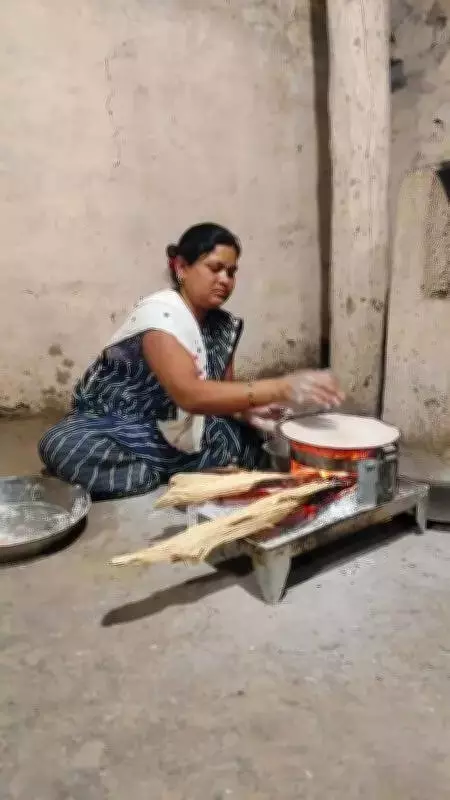
Sangeeta Kokni, a resident of Baripada, emphasized that cooking on traditional 'chulha' was not a new experience for them. "We have been using this traditionally and hence, for us, it is not a big deal. Men in the family help us gather firewood and make cow dung cakes," she said.
Ensuring Gender Equity in the Transition
Recognizing that the burden of this transition should not fall solely on women, men from these villages have made their own commitment. They are actively participating in gathering resources and supporting the cooking process to ensure the initiative remains sustainable and equitable.
The sarpanch noted that most houses already have solar cookers, smokeless chulhas, and ample cow dung that can serve as cooking supports. This existing infrastructure makes the transition more manageable for the community.
Leadership and Environmental Legacy
The initiative is led by social worker Chaitram Pawar, who was conferred the Padma Shri last year for his pioneering work in afforestation, water conservation, and wildlife protection. What makes this decision particularly significant is that the villagers are stopping LPG consumption without compromising their 35-year-old practice of not felling any trees from the jungle for firewood.
"Cooking has become easier and safer with the use of smokeless chulla," said Shanta Chaure, another villager. "We usually cook food on chulha as well as LPG. With support from family members, this decision will not be difficult to implement."
Historical Context and Sustainable Alternatives
The foundation of this decision lies in a legacy dating back to 1991, when Pawar's "Jal, Jungle, Jameen" movement transformed Baripada. As the villagers embraced ecological protection, they simultaneously began developing sustainable alternatives including:
- Solar cookers for energy-efficient cooking
- Smokeless chulhas to reduce indoor air pollution
- Firewood collected from farm remnants rather than forests
- Ample cow-dung fuel from their livestock
These carefully developed resources, according to Pawar, make it possible to continue the initiative even through the challenging monsoon season when traditional cooking methods might otherwise face difficulties.

Broader Impact and Urban-Rural Solidarity
Chaitram Pawar explained the broader vision behind this initiative: "By stepping away from the gas grid, we hope to ensure that people in urban areas, who lack any alternative cooking methods, can receive the LPG cylinder refills they desperately need."
This six-month experiment represents more than just a temporary change in cooking habits. It demonstrates how rural communities with access to traditional resources can adapt their lifestyles to support urban populations during times of scarcity. The initiative also highlights the importance of developing sustainable alternatives before crises occur, ensuring communities have resilience built into their daily lives.
As these 300 families in Dhule district continue their voluntary sacrifice, they are setting a powerful example of community-driven problem-solving, environmental stewardship, and national solidarity that could inspire similar initiatives across India.