The Directorate General of Civil Aviation (DGCA), India's aviation regulator, has formally demanded an explanation from Air India. The action comes after the airline allegedly operated a Boeing 787 Dreamliner aircraft despite being aware of multiple unresolved technical issues. This move initiates a significant safety probe into the operational practices of the Tata Group-owned carrier.
The Incident and DGCA's Immediate Action
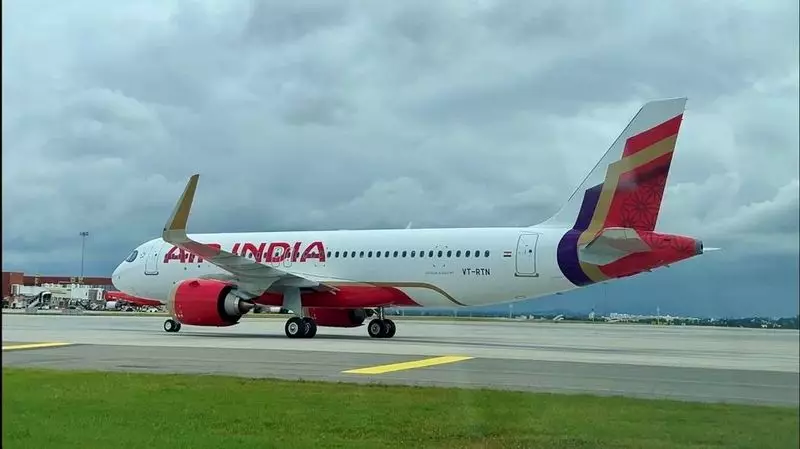
The controversy centers on a specific Boeing 787-8 Dreamliner, registered as VT-ANH. According to the DGCA's findings, this aircraft was flown on international routes even though it had several outstanding technical snags logged in its maintenance records. The regulator's scrutiny was triggered after it received reports about the matter, prompting an immediate investigation.
In a decisive step, the DGCA has issued a show-cause notice to Air India. This legal document requires the airline to provide a detailed and satisfactory explanation for its decision to deploy the aircraft for commercial flights. The airline must now justify why it allowed the plane to fly with known defects and what internal safety protocols, if any, were bypassed.

Details of the Dreamliner's Technical Issues
While the exact nature of all the snags has not been fully disclosed by authorities, reports indicate they pertained to various aircraft systems. The core allegation is that the airline's engineering and maintenance team, as well as its flight operations department, were aware of these problems. Despite this knowledge, the aircraft was not grounded for necessary repairs and was instead cleared for passenger flights.
This incident raises serious questions about Air India's safety culture and maintenance procedures under its new management. The Boeing 787 is a wide-body, long-haul aircraft frequently used for flights to destinations in Europe, North America, and other parts of Asia. Operating such an aircraft with unresolved issues poses a potential risk to passenger safety and violates stringent aviation regulations designed to prevent such scenarios.
Potential Consequences and Broader Implications
The DGCA's show-cause notice is a serious regulatory action. Depending on the substance and timeliness of Air India's reply, the regulator has the authority to impose severe penalties. These can range from heavy financial fines to suspension of the airline's license for specific routes or even action against the certifying staff and engineers involved in the decision-making process.
This event is likely to intensify scrutiny on Air India's operational overhaul since its acquisition by the Tata Group. The group has invested heavily in revamping the airline's fleet and service, but this incident highlights the critical challenge of instilling a robust and uncompromising safety culture. It also serves as a reminder to all Indian carriers about the non-negotiable nature of maintenance protocols and the DGCA's vigilant oversight.
The aviation industry and passengers alike will be watching closely for Air India's official response and the subsequent steps taken by the DGCA. The outcome will signal how India's aviation regulator enforces compliance in the post-pandemic era of rapid airline expansion and fleet renewal.