

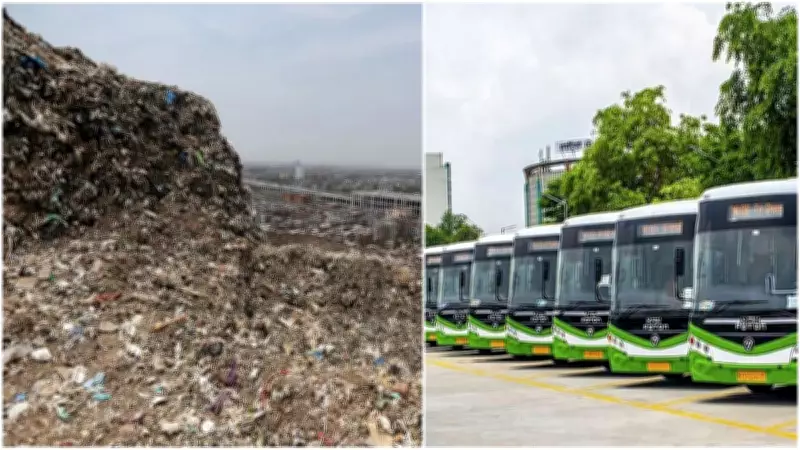
Bhalswa Landfill Site in Delhi Slated for Major Redevelopment as New ISBT Hub
In a significant urban development initiative, the sprawling Bhalswa landfill site in Delhi is poised for a comprehensive makeover. The Delhi government has unveiled ambitious plans to convert this long-standing waste disposal area into a state-of-the-art Inter-State Bus Terminal (ISBT). This transformative project aims to not only address environmental concerns but also significantly enhance transportation infrastructure for the northern region of India.
Strategic Redevelopment to Alleviate Urban and Transit Challenges
The redevelopment of the Bhalswa landfill represents a dual-purpose strategy. Primarily, it seeks to remediate a major environmental hotspot that has been a source of pollution and public health issues for years. By repurposing the land, authorities intend to mitigate the adverse effects of accumulated waste while creating a valuable public asset. Simultaneously, the new ISBT is designed to streamline interstate bus services, reducing congestion at existing terminals and improving travel efficiency.
Key northern states such as Haryana, Punjab, Himachal Pradesh, and Uttar Pradesh are expected to benefit directly from this enhanced connectivity. The terminal will serve as a crucial transit hub, facilitating smoother and faster movement of passengers and goods across state borders. This initiative aligns with broader efforts to boost regional integration and economic activity in North India.

Project Timeline and Anticipated Impact
The transformation is scheduled for completion by 2026, marking a pivotal milestone in Delhi's urban planning. The project involves extensive groundwork, including waste management, land reclamation, and construction of modern terminal facilities. Features planned for the new ISBT include advanced passenger amenities, efficient traffic management systems, and eco-friendly design elements to minimize environmental impact.
This redevelopment is part of a larger vision to modernize Delhi's infrastructure and promote sustainable urban growth. By converting a landfill into a transportation nexus, the project exemplifies innovative solutions to urban challenges. It is anticipated to reduce travel times, lower pollution levels from idling buses, and provide a model for similar transformations in other cities.
Broader Implications for Waste Management and Regional Development
The Bhalswa landfill makeover underscores a shift towards integrated urban development strategies. Instead of merely addressing waste disposal in isolation, the plan leverages the site's strategic location to serve broader transportation needs. This approach not only optimizes land use but also contributes to the circular economy by repurposing degraded land for public utility.
For residents and commuters, the new ISBT promises improved accessibility and convenience. It is expected to ease the burden on existing terminals like Kashmere Gate and Anand Vihar, leading to a more organized and efficient bus network. Moreover, the project could spur local economic development through increased footfall and associated commercial activities around the terminal.
In summary, the Bhalswa landfill's transformation into an ISBT hub by 2026 represents a forward-thinking initiative that addresses environmental, transportation, and regional development goals. It highlights Delhi's commitment to innovative urban solutions and sets a precedent for sustainable infrastructure projects across India.






