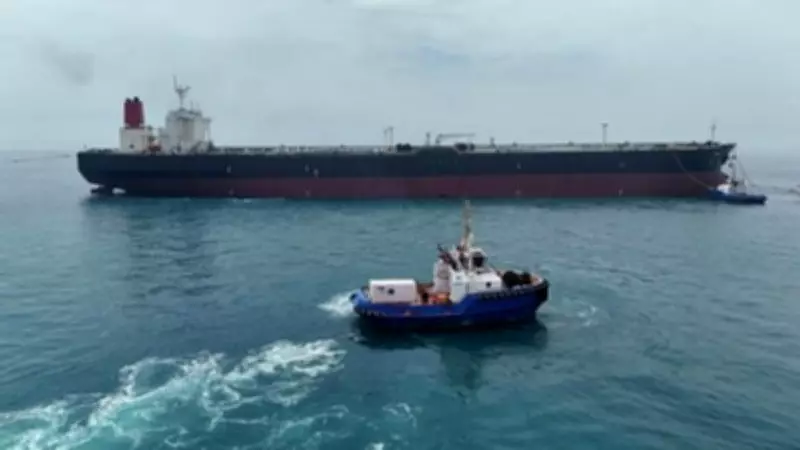
Oil prices declined on Friday as tankers began moving through the Strait of Hormuz again after a landmark war pact involving Iran, easing supply disruption fears. Analysts predict the deal will release more than 85 million barrels of oil that had been stranded in the Middle East Gulf into global markets, potentially further depressing prices.
Strait of Hormuz Reopens
The reopening of the strategic waterway, through which about 20% of the world's oil passes, came after Iran and its adversaries reached a ceasefire agreement. The pact ended weeks of heightened tensions that had blocked shipping lanes and spiked crude prices.
Market Impact
Brent crude futures fell by over 3% to $72 per barrel, while West Texas Intermediate dropped to $68. The decline reflects expectations of increased supply as tankers resume normal operations. Analysts at Goldman Sachs said the release of stranded oil could add significant downward pressure on prices in the coming weeks.

- More than 85 million barrels of oil are expected to enter the market.
- The deal includes monitoring mechanisms to ensure compliance.
- Shipping insurance rates have already started to normalize.
Global Reactions
The United States and European Union welcomed the pact, which also includes provisions for humanitarian aid and reconstruction. Oil-importing nations are expected to benefit from lower energy costs, though some analysts warn that volatility may persist as the region stabilizes.
Iran's oil minister said the country aims to ramp up exports to pre-sanction levels within months. Meanwhile, OPEC+ is set to meet next week to discuss output adjustments in light of the new supply.