Delhi Government Extends Water Bill Penalty Waiver Scheme Until August 2026
The Delhi government has announced a significant extension of its Late Payment Surcharge Waiver Scheme (LPSC) on water bills, providing continued relief to thousands of domestic consumers struggling with long-pending dues inflated by penal interest. The scheme, which now runs until August 15, 2026, offers consumers a final opportunity to clear their principal amounts without facing additional penalties before stricter enforcement measures begin.
Background and Rationale for Extension
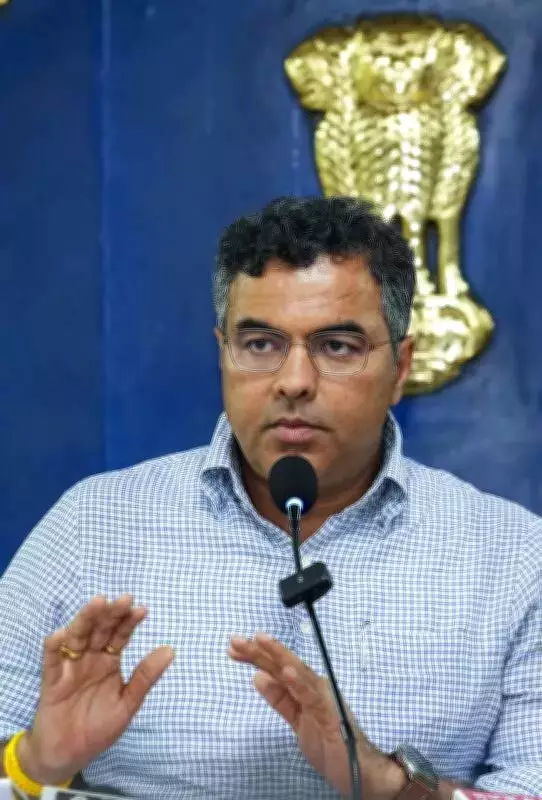
Water Minister Parvesh Verma announced the extension on Friday, citing multiple factors that necessitated this decision. According to Delhi Jal Board officials, the extension was granted due to legacy billing errors, reorganization of zonal revenue offices, and repeated requests from public representatives and Resident Welfare Associations. The original scheme offered complete waiver of penal interest for consumers who cleared their pending principal amounts by January 31 of this year.
Minister Verma emphasized that the waiver scheme demonstrates Delhi residents' willingness to pay their bills when the system operates with honesty and accuracy. "For years, faulty billing systems and high interest rates had trapped households under massive arrears, discouraging payments," he stated, adding that reducing interest rates and correcting billing mechanisms have helped break this cycle of non-payment.

Impact and Recovery Statistics
According to latest Jal Board data:
- Over 3.3 lakh consumers have already availed themselves of the scheme
- Nearly Rs 1,500 crore in penal interest has been waived
- Rs 430 crore has been collected in principal dues until Thursday
Before the launch of this one-time amnesty scheme on October 14 last year, domestic consumers owed the government approximately Rs 15,000 crore in outstanding water bills. The current recovery represents a significant step toward addressing this massive debt burden.
Broader Implications and Future Plans
The minister stressed that accountability would now extend to large defaulters as well, emphasizing that public funds cannot remain blocked due to administrative negligence. Unpaid dues from commercial consumers totaled Rs 66,000 crore as of last October, with Delhi government establishments owing Rs 33,295 crore and Union government agencies owing Rs 29,723 crore.
Officials revealed that improvements in the billing system and a proposed extension of the scheme to commercial users would boost recoveries and reduce the board's mounting arrears. The board serves approximately 27 lakh registered consumers, many of whom had raised concerns about inaccurate billing. Estimates suggest nearly 16 lakh consumers received inflated bills in recent years, leading many to stop payments and significantly denting the water utility's revenues.
Political Context and Criticism
The water billing issue has become politically charged, with AAP's Delhi unit president Saurabh Bharadwaj criticizing the current implementation. "BJP government's scheme is a failure as only 8.5% recovery has been made," he stated on Friday. "It copied the old AAP government's scheme, called the new one a master stroke, but could collect just Rs 430 crore out of Rs 5,057 crore. The government was left with no option as it couldn't disconnect water of 12.4 lakh consumers who had dues."
This criticism highlights the ongoing political tensions surrounding utility management in the capital, with the previous AAP government having promised but failed to execute a similar one-time settlement scheme last year.
Consumer Complaints and Systemic Issues
The extension comes against a backdrop of widespread billing complaints. During the October-November 2022 period alone, over 10,000 complaints about faulty water bills were registered on the board's portal. These systemic issues have created significant challenges for both consumers and the water utility, making the waiver scheme particularly crucial for restoring trust in the billing system.

As Delhi moves toward the 2026 deadline, consumers now have an extended window to regularize their water bill payments without the burden of accumulated penal interest, while the administration works to implement more accurate billing mechanisms and broader recovery strategies.