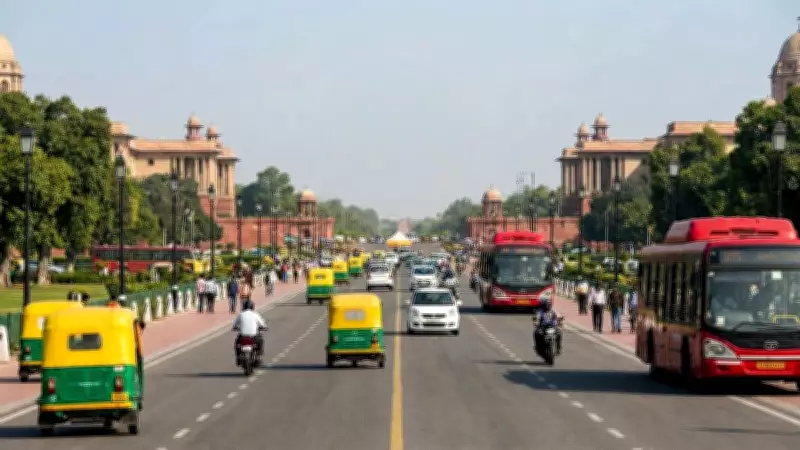
Delhi's Road Revamp: 270 km of Smooth Roads to Ease Traffic
The national capital is set to undergo a major infrastructure upgrade with the construction of 270 km of smooth roads aimed at significantly reducing traffic congestion. The project, announced by the Delhi government, will cover key arterial routes and residential areas, promising faster and safer commutes for millions of residents.
Project Details and Cost
The ambitious road development plan comes with a budget of ₹1,200 crore. According to officials, the work will involve resurfacing, widening, and strengthening of existing roads, as well as the addition of new lanes where necessary. The project is expected to be completed within 18 months, with a focus on high-traffic corridors such as Ring Road, Outer Ring Road, and major connecting roads to satellite cities.
Impact on Daily Commute
Delhi's notorious traffic jams cost the city an estimated ₹1.5 lakh crore annually in lost productivity and fuel wastage. With the new smooth roads, travel time on key routes is expected to be reduced by up to 30%. The government also plans to integrate smart traffic management systems, including synchronized traffic signals and real-time congestion monitoring, to further ease flow.

"This is a game-changer for Delhi's commuters," said a senior official from the Public Works Department (PWD). "We are not just laying asphalt; we are building a network that will support the city's growth for decades."
Phased Implementation
The project will be executed in phases, with the first phase covering 100 km of the most congested roads. The second phase will target another 100 km, and the final phase will address the remaining 70 km. Each phase is expected to take six months, ensuring minimal disruption to daily traffic during construction.
Environmental and Economic Benefits
Smoother roads are expected to reduce vehicle emissions by decreasing idling time and improving fuel efficiency. The project also includes the plantation of 10,000 trees along the new roads to mitigate the environmental impact. Economically, the reduced travel time is projected to boost productivity and attract investment to the region.
"This investment will pay for itself within a few years through fuel savings and reduced vehicle maintenance costs," added the official.
Public Response and Future Plans
Residents have welcomed the initiative, with many expressing hope that it will finally address the city's chronic traffic woes. The government has also announced plans to develop 50 km of dedicated cycling tracks and pedestrian pathways alongside the new roads to promote sustainable transport.
With construction set to begin in the next quarter, Delhiites can look forward to a smoother ride by 2026.