Delhi Government Unveils Major Infrastructure Push for Trans-Yamuna Region
The Delhi government is preparing to launch a comprehensive set of infrastructure initiatives specifically designed to alleviate traffic congestion and stimulate development in the vital Trans-Yamuna area. According to officials, detailed proposals and financial allocations for these projects are likely to be formally presented during the upcoming budget session scheduled for next week.
New Yamuna Bridge to Enhance Connectivity
At the heart of this ambitious development plan is a proposal for a new bridge across the Yamuna River. This structure is intended to significantly improve connectivity between the eastern districts of Delhi and the central parts of the capital city. Officials have clarified that discussions are currently in a preliminary phase. The Trans Yamuna Area Development Board has been tasked with conducting a thorough study to determine the bridge's optimal location and overall feasibility.
The feasibility study will meticulously examine the entire river stretch from Wazirabad to Kalindi Kunj. Key areas of focus will include analyzing existing traffic flow patterns, identifying major congestion points, and assessing technical and environmental challenges. One prominent option under consideration involves replacing the aging Old Iron Bridge, commonly known as Loha Pul. An alternative proposal suggests constructing an entirely new bridge in proximity to the existing Signature Bridge.

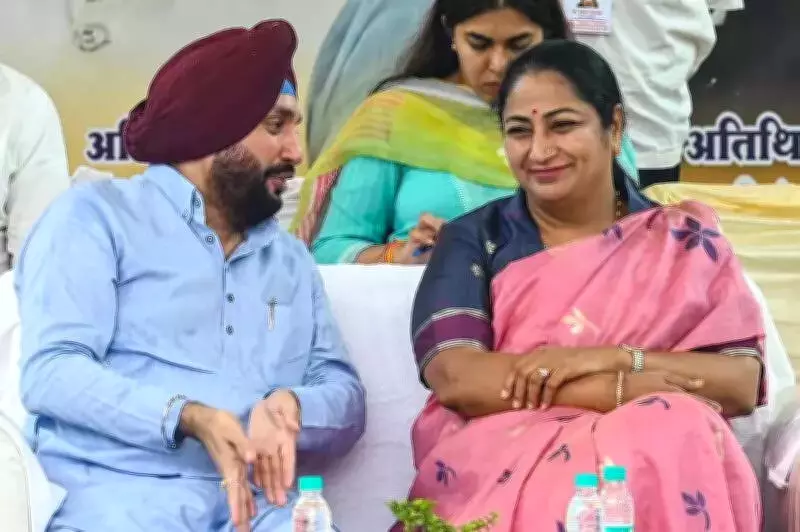
Arvinder Singh Lovely, the chairperson of the Trans Yamuna Area Development Board, emphasized the critical need for this project. He stated that Loha Pul is functionally outdated and that a modern bridge would help distribute vehicular traffic more evenly across the river. Furthermore, it would strengthen crucial transportation links connecting northeast Delhi, north Delhi, and central Delhi. The ongoing construction of a parallel railway structure to Loha Pul, which may allow for the diversion of train traffic, presents a unique opportunity for the comprehensive redevelopment or complete replacement of the old bridge.
Elevated Corridor to Decongest Key Artery
In a parallel effort to tackle severe traffic bottlenecks, the board has also formulated plans for a four-kilometre-long elevated corridor. This project is strategically designed to declog the critically important Swami Dayanand Marg. This major road serves as a primary connector between Anand Vihar and Shahdara and is widely recognized as one of the most congested stretches in east Delhi.
The proposed elevated road is set to originate from a point near Shyamlal College and Bihari Colony, which is close to the Shahdara flyover on Grand Trunk Road (GT Road). It will extend and terminate near the Karkari Mor flyover. This project recently underwent a detailed review during an on-site inspection conducted by Public Works Department (PWD), Irrigation and Flood Control Minister Parvesh Verma, Board Chairperson Arvinder Singh Lovely, and several local Members of the Legislative Assembly (MLAs). Officials confirmed that these infrastructure projects will be undertaken in close collaboration with the Delhi Public Works Department.
Revival of Gandhi Nagar Market Redevelopment
Beyond transportation, the Delhi government is reviving concerted efforts to upgrade the civic infrastructure in east Delhi's key commercial hubs. A major focus of this initiative is the comprehensive redevelopment of Gandhi Nagar Market, reputed to be Asia's largest wholesale garment market. The board is actively preparing a redevelopment plan, and a consultant has already been appointed to conduct a detailed survey and draft a formal blueprint for the project.

Despite its immense economic significance, the market currently suffers from severely inadequate basic facilities. These deficiencies include poorly maintained roads, inefficient drainage systems, insufficient sanitation services, and a lack of reliable drinking water supply. Officials explained that the redevelopment aims to substantially enhance the experience for both traders and visitors while simultaneously supporting sustained economic growth throughout the broader Trans-Yamuna belt. This move is expected to directly address the long-standing demands from local traders for improved infrastructure and modern amenities. It is noteworthy that an earlier proposal for the market's redevelopment, put forward by the previous Aam Aadmi Party (AAP) government, remained unimplemented and did not progress beyond the planning stage.