

PM Modi Launches Delhi's Ring Metro and Major Urban Development Projects
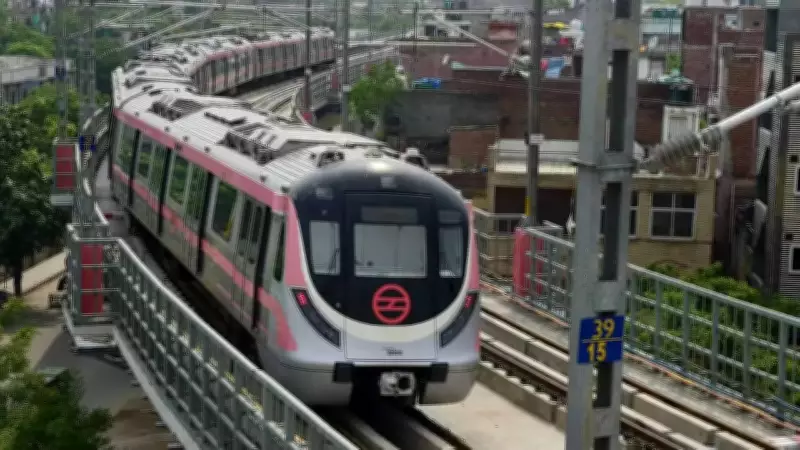
Prime Minister Narendra Modi inaugurated two critical metro corridors in Delhi on Sunday, marking a historic milestone as the capital becomes home to India's first fully operational Ring Metro system. The event also featured the unveiling of significant housing and infrastructure initiatives, collectively representing a massive investment of approximately Rs 33,500 crore aimed at transforming the city's public transport network and residential landscape.
Delhi Metro Expansion: A New Era of Connectivity
The centerpiece of the inauguration was the opening of the Majlis Park–Maujpur–Babarpur stretch of the Pink Line, a 12.3-kilometre elevated corridor equipped with eight stations. This addition extends the Pink Line to a total length of 71.56 kilometres, completing the ring structure that now encircles Delhi. The newly operational stations include:
- Majlis Park
- Burari
- Jharoda Majra
- Jagatpur-Wazirabad
- Soorghat
- Nanaksar-Sonia Vihar
- Khajuri Khas
- Bhajanpura
- Yamuna Vihar
- Maujpur-Babarpur
Simultaneously, the Deepali Chowk–Majlis Park section of the Magenta Line, spanning 9.9 kilometres, was also inaugurated. Officials emphasized that these new corridors will dramatically enhance connectivity between North-East and North-West Delhi, significantly reducing travel times across numerous city sectors. Key areas set to benefit include Burari, Jagatpur-Wazirabad, Khajuri Khas, Bhajanpura, Yamuna Vihar, Madhuban Chowk, Haiderpur Badli Mor, Bhalaswa, and Majlis Park.

Broader Infrastructure and Housing Initiatives
Beyond the metro inaugurations, PM Modi laid the foundation stone for three additional corridors under Phase V-A of the Delhi Metro, covering a combined length of 16.10 kilometres. The metro expansion projects alone account for an investment of Rs 18,300 crore, forming a substantial part of the overall infrastructure push.
Prior to the main ceremony, the Prime Minister visited the GPRA Type-5 quarters at Sarojini Nagar to personally hand over keys to female allottees. He also inaugurated and laid the foundation stone for projects under the GPRA Redevelopment Plan, valued at Rs 15,200 crore. This ambitious redevelopment initiative targets areas such as Sarojini Nagar, Netaji Nagar, Kasturba Nagar, and Sriniwaspuri, aiming to modernize government housing and office spaces.
The project is designed to deliver over 9,350 flats for government employees and create 48 lakh square feet of office space. It employs a self-sustaining financial model, where a portion of the developed area is monetized to fund the comprehensive redevelopment, ensuring long-term viability without excessive public expenditure.
Expected Benefits and Future Impact
Chief Minister Rekha Gupta highlighted the multifaceted advantages of these projects, stating that the metro expansion "is expected to make daily commuting smoother, cut traffic congestion and help tackle pollution in the capital." She further noted that the improvements would enhance access for residents of the National Capital Region, particularly commuters from Noida and Faridabad, and provide better connectivity to Indira Gandhi International Airport.
The combined initiatives represent a strategic effort to address urban challenges such as traffic gridlock, air pollution, and housing shortages. By integrating advanced metro infrastructure with modernized residential complexes, the projects aim to foster a more sustainable and efficient urban environment for Delhi's growing population.
This comprehensive infrastructure boost underscores the government's commitment to enhancing urban mobility and living standards, setting a precedent for other Indian cities to follow in developing integrated public transport and housing solutions.






