

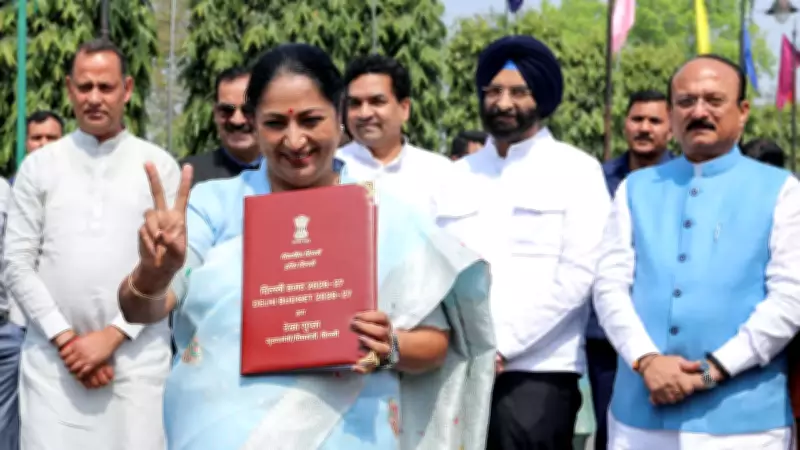
Delhi Budget 2024: A Comprehensive Analysis by Experts
In response to the recent Delhi budget, experts have shared detailed insights, applauding initiatives across health, environment, education, and gig worker welfare while emphasizing the critical importance of effective implementation and robust support for vulnerable populations. The budget outlines significant allocations aimed at improving public services and infrastructure, but its success hinges on practical execution and addressing gaps in existing policies.
Education: Infrastructure vs. Student Support
Ashok Agarwal, Education Activist and Lawyer, provided a nuanced perspective on the educational provisions. "While the budget makes a substantial allocation towards infrastructure and school expansion, its real impact will depend on how effectively these provisions are implemented on the ground," he stated. A major concern that remains unaddressed is the situation of students from economically weaker sections. Under the RTE Act, many of these students are supported only up to Class VIII, after which thousands are forced to drop out each year because they cannot afford to continue their education. There is a pressing need for the budget to include dedicated provisions to support these students through to Class XII, ensuring continuity in their education.
Environment: Mixed Measures for Pollution Control
Sunil Dahiya, Founder and Lead Analyst at Think Tank Envirocatalysts, described the environmental aspects as a mixed bag. "Collaboration with World Bank, allocation of budget to Delhi Pollution Control Committee, induction of e-autos with grant of permit to women and transgender people are positive steps," he noted. However, a large sum of the budget is proposed to go towards water sprinklers, anti-smog guns, and mechanised road sweeping, which may have visual appeal but will not help in reducing pollution at source. This highlights a need for more sustainable, long-term solutions rather than temporary fixes.

Health: Focusing on Early Childhood Development
Dr. Rajeev Jayadevan, Co-Chairman of the National IMA COVID Task Force, emphasized the budget's focus on early health interventions. "The first 1,000 days of life are the most critical window for shaping a child’s lifelong health, brain development, and future productivity," he explained. This budget makes a clear statement that for the future health of the country, we must start at the beginning. By comprehensively detecting health problems at birth, we will be able to guide parents to avail the best treatment options at the earliest — before long-term damage sets in. It is really a case of a stitch in time.
Gig Workers: Welfare Initiatives Under Scrutiny
Manju Goel, Activist working for the welfare of gig workers, raised practical concerns about the proposed measures. "The idea, whether it is a welfare board or restrooms, sounds good on paper. But if we talk about Delhi, there are likely 4-5 lakh gig workers," she pointed out. Given the city’s scale and spread, where will these restrooms actually be located? Will there be a proper survey of gig workers, and how will the implementation happen? We can only judge once these details are revealed. For instance, if I am a gig worker and the nearest Atal Canteen is 2-3 km away, I would rather just rest on the roadside. As for the welfare board, it is a good idea, but its impact will depend on when and how it is actually set up.
Overall Assessment and Future Implications
The Delhi budget presents a forward-looking framework with initiatives that could significantly benefit various sectors. Key points include:

- Substantial investments in education infrastructure, though gaps in student support need addressing.
- Environmental measures that include positive steps but also rely on less effective pollution control methods.
- A strong emphasis on early childhood health, aiming to prevent long-term issues through timely interventions.
- Welfare proposals for gig workers that require careful planning and implementation to be truly effective.
Experts unanimously stress that while the budget's intentions are commendable, its success will be measured by how well these plans are executed and whether they reach the intended beneficiaries, particularly vulnerable groups. Continuous monitoring and adaptive strategies will be essential to ensure that the allocated funds translate into tangible improvements in the lives of Delhi's residents.





