

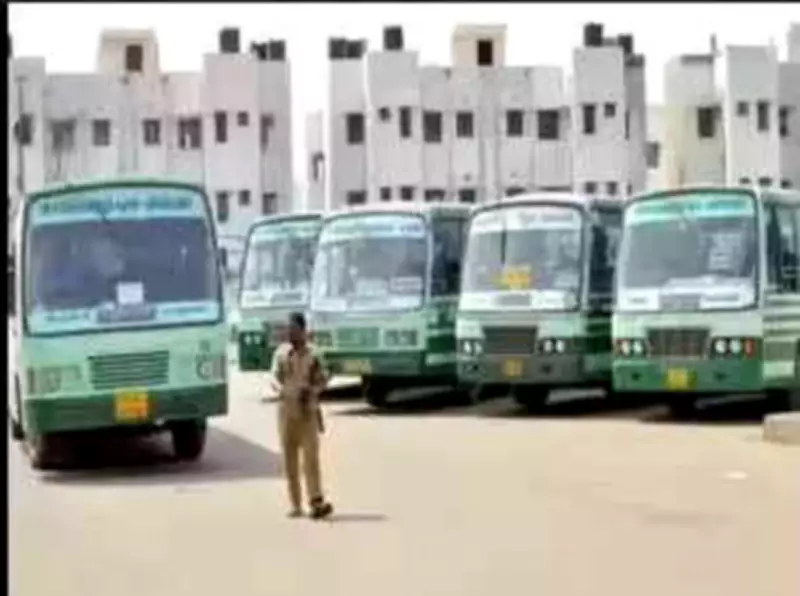
Chennai's Major Road Safety Initiative: 45 Crore Project Targets 15 Bus Routes
In a significant move to enhance urban mobility and protect pedestrians, the Greater Chennai Corporation (GCC) has unveiled an ambitious plan to upgrade 15 major bus route roads across the city. The comprehensive project, estimated to cost 45 crore rupees, is specifically designed to address areas with heavy vehicle movement and frequent traffic congestion.
Key Locations Identified for Infrastructure Improvements
The civic body has pinpointed several critical stretches that will undergo substantial transformations. Key locations include Ashok Pillar, Church Road, Alapakkam Main Road, and Padi Kuppam Main Road. These areas have been selected due to their high traffic density and the urgent need for enhanced safety measures.
The initiative involves multiple infrastructure enhancements, including widening selected road sections to accommodate smoother traffic flow and installing concrete speed-breakers at pedestrian crossing points. These measures aim to create a more organized and safer environment for all road users.

Comprehensive Safety Features to Be Implemented
According to B Shankaravelu, chief engineer of GCC, the project will introduce several advanced safety features along these busy corridors. "The aim is to improve road discipline while ensuring pedestrians have safer crossing points on these high-density corridors," he stated.
The planned safety components include:
- Warning and information signboards to guide motorists and pedestrians
- Bollards to prevent vehicles from encroaching on designated pedestrian zones
- Loudspeaker-based alert systems designed to warn motorists when pedestrians are crossing
Integrating Safety Components in a Holistic Approach
Urban planners have long emphasized the necessity of improving safety infrastructure on bus route roads, which typically experience a complex mix of buses, two-wheelers, cars, and pedestrian movement. K P Subramanian, a city-based urban planner, highlighted the strategic approach of the GCC proposal.
"The civic body's proposal aimed to integrate multiple safety components within a single project rather than implementing them in isolated stretches," Subramanian explained. This holistic method is expected to yield more consistent and effective results across the city's transportation network.
Project Timeline and Broader Infrastructure Goals
The GCC is expected to finalize the detailed project plan and commence execution in phases during the upcoming financial year. This initiative is part of a broader effort by the civic body to enhance road infrastructure and safety measures throughout Chennai.
By focusing on these 15 major bus routes, the corporation aims to create a ripple effect that improves overall urban mobility. The upgrades are anticipated to not only enhance pedestrian safety but also contribute to more efficient traffic management, reducing congestion and travel times for commuters.
As Chennai continues to grow and evolve, such targeted infrastructure projects play a crucial role in shaping a safer, more accessible urban environment for all residents and visitors.






