

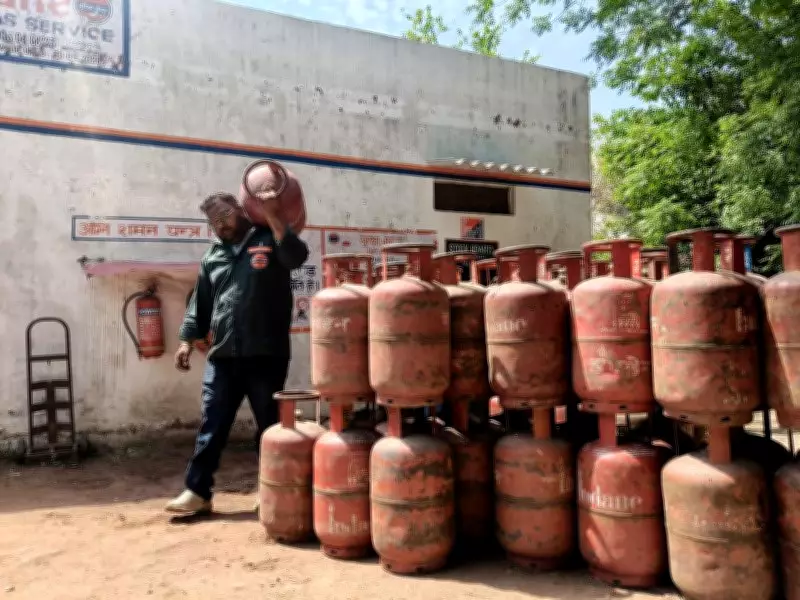
Chandigarh Administration Weighs Kerosene Reintroduction for BPL Households
The Chandigarh administration is actively considering a significant policy shift that could see the reintroduction of kerosene subsidies for families classified as Below Poverty Line (BPL). This move comes in direct response to the escalating economic pressures caused by the ongoing crisis in West Asia, which has led to a sharp increase in global fuel prices. Officials are currently engaged in detailed discussions to assess the feasibility and potential impact of this measure, with a focus on providing immediate relief to the most vulnerable segments of the population.
Impact of West Asia Crisis on Local Fuel Costs
The turmoil in West Asia has had a profound ripple effect on international oil markets, resulting in substantial price hikes for various petroleum products, including kerosene. In Chandigarh, this has translated into higher living costs for low-income households that rely on kerosene for essential activities such as cooking and lighting. The administration is deeply concerned about the growing financial strain on BPL families, who are already grappling with limited resources and inflationary pressures in other sectors.
Key considerations for the proposed reintroduction include determining the exact subsidy amount, identifying eligible beneficiaries through updated BPL lists, and establishing a transparent distribution mechanism to prevent misuse. Authorities are also evaluating the logistical aspects of procuring and supplying kerosene, ensuring that it aligns with broader energy policies and environmental regulations.

Historical Context and Previous Subsidy Phasing
Kerosene subsidies were previously phased out in Chandigarh as part of a nationwide push towards cleaner energy alternatives like liquefied petroleum gas (LPG) and electricity. However, the current crisis has prompted a reevaluation of this strategy, highlighting the persistent dependency on kerosene among economically disadvantaged groups. The administration acknowledges that while long-term goals favor sustainable energy, short-term interventions are necessary to mitigate hardship.
Officials emphasize that any reintroduction would be a temporary measure, designed to bridge the gap until global fuel markets stabilize or alternative support systems are strengthened. They are also exploring complementary initiatives, such as enhancing access to LPG connections or providing direct cash transfers, to create a more resilient safety net for BPL families.
Broader Implications for Urban Welfare Policies
This potential policy reversal underscores the dynamic nature of urban welfare planning, where external geopolitical events can necessitate rapid adjustments. The Chandigarh administration's proactive stance reflects a commitment to adaptive governance, prioritizing citizen welfare in the face of unforeseen challenges. Stakeholders, including local NGOs and community leaders, have welcomed the discussions, urging swift implementation to prevent further economic distress.
As deliberations continue, the administration is expected to release a detailed proposal in the coming weeks, outlining the framework for kerosene reintroduction. This development is closely watched by other urban centers in India, which may face similar pressures from the West Asia crisis, setting a precedent for responsive policy-making in times of global uncertainty.






