

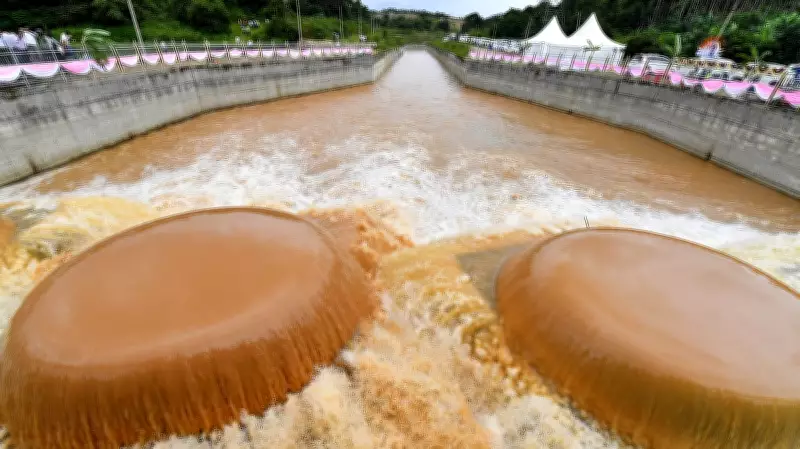
CAG Report Uncovers Critical Issues in Karnataka's Yettinahole Water Diversion Project
The Comptroller and Auditor General (CAG) of India has raised serious concerns regarding the implementation of the ambitious Yettinahole water diversion project in Karnataka. According to a recent report, the project is plagued by significant delays, financial uncertainties, and deviations from established tender procedures, casting a shadow over its timely completion and effectiveness.
Project Overview and Objectives
The Yettinahole project is a major infrastructure initiative designed to address the acute drinking water shortages in several drought-prone districts of Karnataka. The core objective is to draw approximately 24 thousand million cubic feet (tmc ft) of water from the Yettinahole river, located in the Sakaleshpur region. This water is intended to be transported to meet the critical drinking water demands of:
- Kolar district
- Chikkaballapur district
- Tumakuru district
- Ramanagara district
- Certain parts of Bengaluru
This initiative is crucial for enhancing water security in these regions, which have historically faced severe water scarcity issues, impacting both rural and urban populations.

Key Findings from the CAG Report
The CAG report, which scrutinizes the project's progress and financial management, has identified several alarming issues that could jeopardize its success:
- Substantial Delays in Implementation: The project has experienced considerable setbacks in its timeline, leading to prolonged periods of inactivity and missed deadlines. These delays are attributed to various factors, including administrative hurdles and logistical challenges.
- Financial Uncertainty and Mismanagement: The report highlights financial irregularities and a lack of clear funding mechanisms. There are concerns about cost overruns and the allocation of resources, which have created an atmosphere of financial instability around the project.
- Deviations in Tender Processes: The CAG has pointed out instances where tender procedures were not adhered to strictly. These deviations include potential irregularities in the awarding of contracts and non-compliance with procurement guidelines, raising questions about transparency and accountability.
Implications for Water Supply and Regional Development
The delays and financial issues flagged by the CAG could have far-reaching consequences for the intended beneficiaries of the Yettinahole project. The prolonged implementation timeline means that residents in Kolar, Chikkaballapur, Tumakuru, Ramanagara, and parts of Bengaluru may have to wait longer for reliable drinking water access. This could exacerbate existing water scarcity problems and hinder socio-economic development in these areas.
Moreover, the financial uncertainties might lead to increased project costs, potentially burdening the state exchequer and affecting the allocation of funds for other critical infrastructure projects in Karnataka. The tender deviations also call for a thorough review of procurement practices to ensure fairness and efficiency in public spending.
Call for Action and Oversight
In light of these findings, there is a pressing need for enhanced oversight and corrective measures. The Karnataka government and relevant authorities must address the issues raised by the CAG to ensure the project stays on track. This includes:
- Implementing stricter monitoring mechanisms to prevent further delays.
- Establishing transparent financial protocols to manage costs effectively.
- Ensuring compliance with tender regulations to maintain integrity in the procurement process.
The successful completion of the Yettinahole project is vital for improving water security and supporting the livelihoods of millions in Karnataka. Addressing the CAG's concerns promptly will be crucial in realizing this goal and delivering on the promise of sustainable water supply to the drought-affected regions.






