

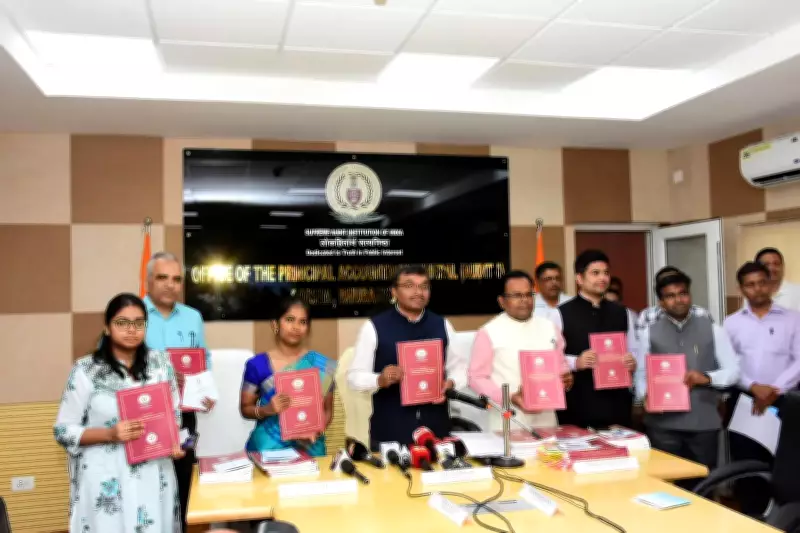
CAG Audit Uncovers Widespread Irregularities in Odisha's PM-POSHAN Scheme
The Comptroller and Auditor General (CAG) of India has exposed significant irregularities in the implementation of the PM-POSHAN scheme in Odisha. The audit uncovered embezzlement of government funds intended for providing nutritious meals to schoolchildren and revealed that anganwadi children were served rice that was unfit for human consumption.
Audit Scope and Key Findings
The comprehensive audit covered both the Integrated Child Development Services (ICDS) and the Midday Meal (MDM) programme. It was conducted between the financial years 2018-19 and 2022-23 across six districts: Rayagada, Balangir, Jharsuguda, Mayurbhanj, Ganjam, and Puri.
Under the ICDS component, morning snacks and hot cooked meals are provided to pre-school children aged 3 to 6 years. Additionally, take-home ration is distributed to pregnant women, nursing mothers, adolescent girls, and children aged 6 months to 3 years.

The audit discovered that between 2018 and 2023, all 2.19 crore ICDS beneficiaries were reported as covered at an expenditure of Rs 4,777.12 crore. However, this amount fell short of the required Rs 5,430.66 crore as per approved cost norms. More alarmingly, in the six audited districts, approximately 1.98 lakh beneficiaries did not receive any nutritional support despite being officially recorded as covered.
Substandard Rice and Health Hazards
One of the most disturbing findings involved the quality of rice served to children at anganwadis in Jharsuguda district. Inspection teams discovered that parboiled rice used for meals had been ruined by black bugs. Rice samples collected from Mundadhipa anganwadi were declared unfit for human consumption.
Furthermore, rice grains at Banjari anganwadi were found encrusted with live infestation and exhibited high moisture content, posing serious health risks to the young children consuming these meals.
Financial Mismanagement and Monitoring Lapses
The CAG audit also flagged serious monitoring failures in the implementation of the Midday Meal scheme. According to central government mandates, states must maintain a single State Nodal Account (SNA) for MDM funds. In 2021, the state nodal officer directed all District Project Monitoring Units (DPMUs) to close existing MDM accounts by November-end that year and transfer unspent funds to the SNA.
However, DPMUs continued to operate multiple accounts and parked an unspent balance of Rs 92.14 crore in them until May 2025, violating central guidelines and creating opportunities for financial mismanagement.
Ghost Schools and Fabricated Records
An inspection conducted in December 2023 at Ambadhuni and Denguni primary schools in Rayagada district revealed that no school infrastructure existed at either location. Despite this alarming discovery, headmasters of both schools reported MDM expenditure amounting to Rs 3.05 lakh and the utilization of 55.94 quintals of rice for 248 students during 2018-23.
These reports were submitted without maintaining essential records such as cash books or MDM registers, indicating potential fabrication of data and misappropriation of funds meant for children's nutrition.
The CAG findings highlight systemic failures in Odisha's implementation of crucial nutrition schemes designed to support vulnerable children and mothers. The audit report calls for immediate corrective measures to ensure proper utilization of funds and delivery of quality nutrition to intended beneficiaries across the state.






